How to Monetize Your Food Marketplace Platform with Multiple Revenue Streams in 2026
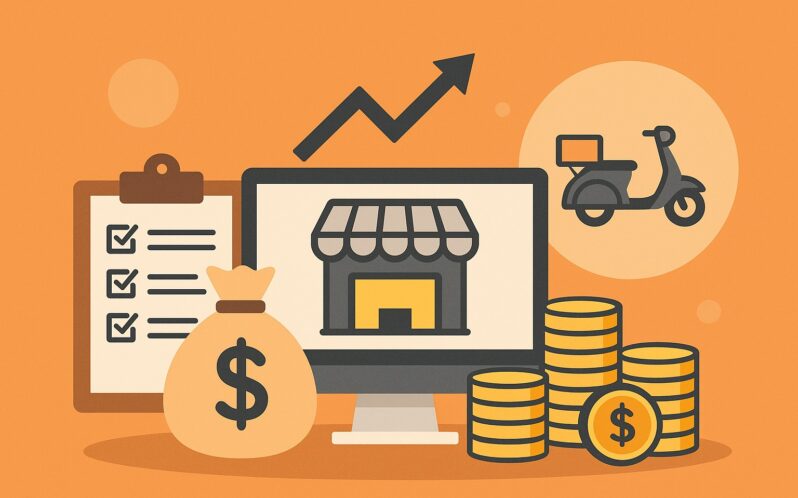
Building a profitable food delivery marketplace in 2026 is no longer just about charging a commission on orders.
With rising customer acquisition costs, competitive pressure from large delivery apps, and new digital behaviours, successful platforms now rely on diversified monetization models. Whether you’re launching a city-level niche marketplace or scaling a national brand, understanding the right revenue streams is essential to improving profitability and reducing dependence on a single income source.
For founders evaluating the White Label Food Delivery Marketplace Cost, this guide explains how to design a future-proof monetization strategy that works in 2026 and beyond.
Why Multiple Revenue Streams Matter in 2026
The food delivery industry has matured. Commission-only platforms struggle due to slimmer margins, higher logistics costs, and increasing marketing expenses. Platforms that thrive in 2026 focus on revenue diversification, building a balance between transactional income, subscription models, SaaS-based services, and value-added monetization opportunities. This not only improves cash flow but also stabilizes the business against seasonal demand fluctuations.
1. Commission-Based Revenue on Orders
The traditional model still works—but only when optimized. Your platform earns a percentage on every order processed through the system. In 2026, the trend is to offer dynamic commission tiers linked to performance, marketing support, and order volume. This motivates restaurants while increasing predictable revenue for the marketplace owner.
- Flat commission (e.g., 12%–18%) on each completed order
- Variable commission based on cuisine type or busy hours
- Lower commission for loyal or long-term restaurant partners
- Higher commission for premium visibility or placement
2. Delivery Fee Markups and Logistics Margin
If your platform handles delivery, delivery fee margin can quickly become one of the most profitable revenue streams. Instead of passing the exact delivery cost to customers, platforms add a slight markup that remains competitive yet boosts profitability.
- Customer delivery fee markup (e.g., €1–€3 profit per order)
- Surge pricing during peak hours
- Fuel surcharge or long-distance fee
- Eco-delivery fee for sustainable packaging
3. Subscription Plans for Restaurants
In 2026, subscription-based monetization for restaurants has become a standard because it stabilizes revenue and provides predictable monthly income. Many food marketplace platforms now offer SaaS-style subscription tiers.
| Plan | Monthly Fee | Included Features |
|---|---|---|
| Basic | €29–€49 | Listing, limited orders, basic support |
| Standard | €79–€149 | Unlimited orders, menu optimization, marketing boosts |
| Premium | €199–€399 | Featured placement, CRM, loyalty features, analytics |
4. Subscription Plans for Customers
Customer loyalty is priceless. Subscription memberships generate recurring revenue while building long-term engagement.
Platforms are offering Amazon-style memberships tailored for the food industry.
- Free delivery on all orders
- Exclusive discounts and partner coupons
- Loyalty points, cashback, or reward vouchers
- Priority support and early access to offers
5. Sponsored Listings and Paid Promotions
Sponsored visibility has become one of the fastest-growing revenue streams for marketplaces in 2026. Restaurants pay for premium placement to appear on top of category pages, home pages, or search results—similar to Google Ads but for food platforms.
- Featured restaurant slot on home page
- Top-ranking in “Popular” or “Recommended” section
- Sponsored search results
- Free delivery campaigns funded by restaurants
6. Advertising Space Within the App
Food delivery apps now function like mini-advertising ecosystems. Your platform can earn significant revenue selling ad placements to restaurants, beverage brands, grocery partners, and local businesses. These ads can be static or dynamic based on user behavior.
- Homepage banners
- Popup promotions
- Cuisine-specific ad slots
- Seasonal promotional campaigns
7. Packaging and Logistics Partnerships
Many marketplaces now partner with packaging suppliers, delivery fleets, and POS system providers. The platform earns a profit margin every time a restaurant purchases packaging, equipment, or technology through your ecosystem. This creates a B2B revenue loop beyond food ordering.
- Commission on eco-friendly packaging sales
- Percent share from fleet delivery partners
- Affiliate partnerships with POS systems and QR menu providers
- Revenue on thermal bags, utensils, and branding materials
8. Dark Kitchen & Virtual Brand Revenue
The rise of dark kitchens in 2026 has opened a lucrative opportunity for marketplace owners. By enabling restaurants to launch virtual brands or using shared kitchen spaces, you can earn revenue without handling food preparation yourself.
- Commission on virtual brand sales
- Kitchen space rental income
- Brand licensing fees
- Exclusive dark-kitchen partnerships
9. Vendor Service Fees and Transaction Charges
Similar to payment gateways or SaaS platforms, you can implement small transaction-based fees that restaurants pay per payout, per menu update, or per order in certain categories. These micro-fees add up significantly when order volume grows.
- Withdrawal fees for restaurant payouts
- Menu update or content placement fees
- Service fee for premium analytics
- Onboarding or training fees
10. Customer Convenience Fee
A convenience fee is a small amount added to each order to support platform maintenance and technology. Customers are accustomed to these charges in 2026, making this a simple but powerful revenue stream with zero operational overhead.
- Technology maintenance fee
- Small platform usage charge (e.g., €0.49–€0.99)
- Weekend or holiday surge convenience fee
11. Loyalty Points and Cashback Revenue Model
While loyalty systems typically reward users, they can also generate income. Restaurants pay for loyalty points distributed to customers, which encourages higher order frequency while creating financial flow back into the platform.
- Restaurant-funded loyalty points
- Cashback that drives repeat purchases
- Paid loyalty integrations
- Multi-tier membership monetization
12. Multi-Vendor Marketplace Expansion
In 2026, successful platforms no longer limit themselves to restaurants. Expanding into multi-vendor models creates additional monetization opportunities and higher consumer lifetime value.
- Grocery delivery
- Local retail and convenience stores
- Pharmacy delivery
- Alcohol delivery
13. API Monetization for Partners
If your white-label marketplace solution offers APIs for integrations, charging partners for premium API usage can generate recurring developer revenue. This works particularly well for POS providers, CRM tools, or logistics startups.
- Paid API keys
- Usage-based billing
- Premium integration plans
- Restaurant or developer API fees
14. Financial and FinTech Monetization
Embedded finance features allow marketplace owners to earn revenue through financial transactions and instant payouts. In 2026, FinTech + FoodTech is one of the strongest growth combinations.
- Instant payout fees
- Restaurant micro-loans with shared interest
- Customer wallet cash management
- Buy now, pay later partnerships
15. Data Monetization & Insights
Restaurants need insights to grow. Selling anonymized data dashboards helps them understand customer behaviour, peak times, competitor performance, and order patterns. This adds a SaaS-like income stream.
- Sales analytics dashboards
- Customer segmentation insights
- Predictive demand analytics
- Benchmark performance reports
16. Event-Based and Seasonal Campaign Revenue
Platforms can generate significant profits during festivals, holidays, and special occasions. Restaurants pay for visibility, and customers spend more—creating ideal monetization opportunities.
- Valentine’s Day special promotions
- Christmas bundle listings
- Weekend festival campaigns
- New Year premium placements
17. White-Label Licensing Model
If you’re offering your marketplace as a white-label SaaS, licensing becomes a major revenue stream. Businesses will pay setup fees, monthly subscriptions, and custom development charges. This is one of the most scalable B2B strategies in 2026.
- One-time setup fees
- Monthly SaaS billing
- Custom feature development fees
- Hosting and maintenance charges
18. Conclusion: Diversification Is the Key to Profitability in 2026
The food marketplace ecosystem in 2026 requires innovation, flexibility, and diversified monetization strategies. Relying solely on commissions is no longer practical. Instead, the most successful platforms build a balanced portfolio of revenue streams—from subscriptions and ads to dark-kitchen partnerships, API monetization, and FinTech-powered features.
If you’re evaluating the operational and technological investment for a new marketplace, ensure you understand the White Label Food Delivery Marketplace Cost and how each revenue model aligns with your long-term growth plan.