Why White-Label Food deliveMarketplace Solutions Are Better Than Custom Development?

Launching a food delivery marketplace today requires more than just a website or mobile app. Entrepreneurs need a complete digital infrastructure that connects restaurants, delivery partners, and customers in a seamless ordering experience. One of the most important strategic decisions at the beginning is choosing between a custom-built platform or a ready-made marketplace system.
Many startups initially assume that custom development is the best option. However, in reality, building a complex delivery ecosystem from scratch can take many months and require significant financial investment. This is why many businesses now prefer using a ready food delivery marketplace platform that can be launched quickly and customized for their brand.
What Is a Ready Food Delivery Marketplace Platform?
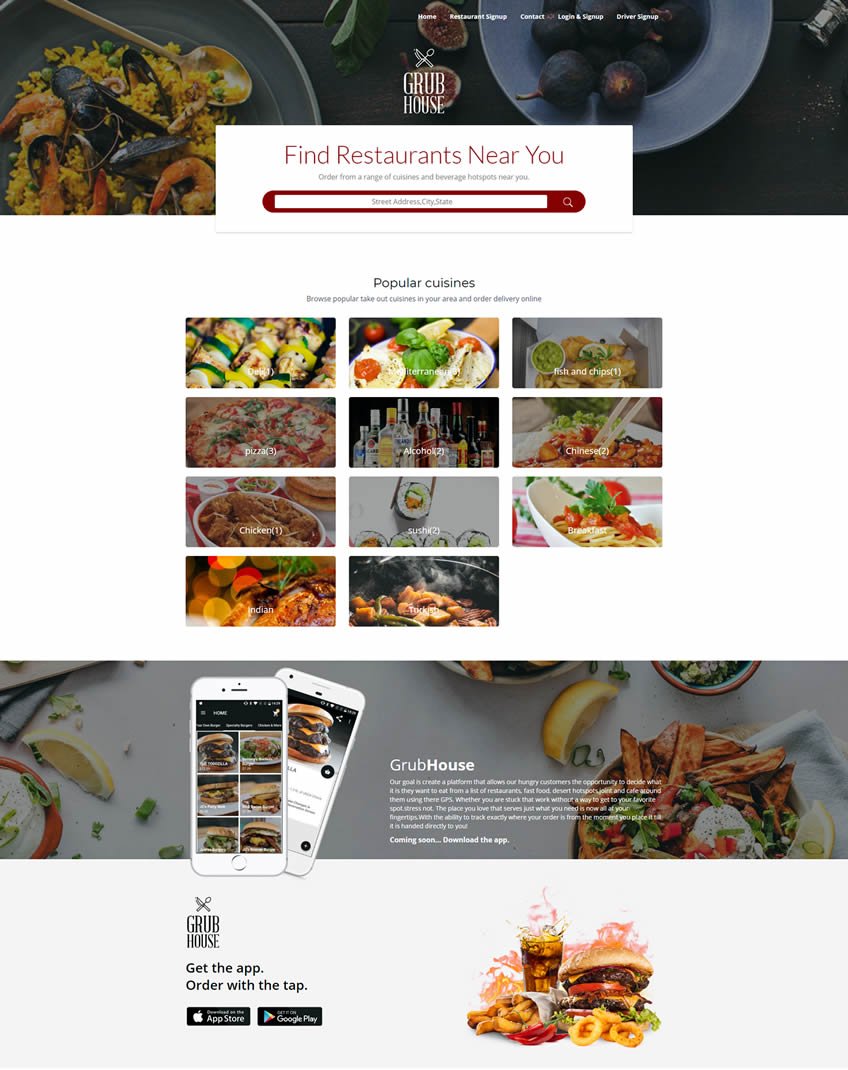
A ready food delivery marketplace platform is a pre-built system designed to connect restaurants, delivery partners, and customers within a single digital ecosystem. Instead of developing every component from scratch, businesses can deploy an existing platform that already includes the required tools for managing orders, payments, delivery operations, and vendor onboarding.
Most modern delivery marketplace platforms include multiple interfaces that allow different users to interact with the system effectively.
- Customer ordering websites and mobile applications
- Restaurant dashboards for menu and order management
- Delivery partner applications for order fulfillment
- Admin panels for monitoring operations and analytics
- Integrated payment gateways and notification systems
Because these systems are already developed and tested, entrepreneurs can focus more on building local restaurant partnerships and marketing their service rather than managing a long development process.
White-Label Marketplace vs Custom Development
When launching a delivery marketplace, businesses typically evaluate two main approaches: developing their own custom software or deploying a ready marketplace platform that can be branded and configured for their operations.
Each option has advantages and challenges, particularly when considering development cost, launch speed, and long-term maintenance.
| Feature | White-Label Marketplace | Custom Development |
|---|---|---|
| Launch Time | Days to weeks | Several months or longer |
| Initial Cost | Lower setup investment | High development cost |
| Technical Risk | Tested platform infrastructure | Dependent on development execution |
| Maintenance | Managed by platform provider | Requires ongoing development team |
| Scalability | Designed for marketplace growth | Depends on architecture planning |
| Branding | Full brand customization | Fully customizable |
Advantages of Using a Ready Marketplace Platform
Faster Market Entry
Speed is one of the biggest advantages of using a ready marketplace platform. Businesses can deploy the system quickly, onboard restaurants, and start accepting orders without waiting for months of development and testing.
- Launch operations faster
- Validate business ideas early
- Respond quickly to market opportunities
Lower Development Costs
Developing a complex delivery platform from scratch requires backend systems, mobile apps, payment integrations, order tracking, and delivery management tools. Building all of these components independently can require a large development team and significant funding.
Ready marketplace solutions reduce these costs by providing a pre-built system that already includes the essential infrastructure required to operate a delivery platform.
- Lower startup investment
- No need to hire a large development team
- Continuous updates and improvements
Full Branding Control
White-label platforms allow businesses to operate the marketplace entirely under their own brand. The website, mobile apps, domain name, and user interface can all be customized to reflect the company’s identity.
This is particularly important for entrepreneurs who want to build their own marketplace brand instead of relying on third-party aggregators.
- Custom branding and domain setup
- Flexible user interface design
- Control over customer relationships
Built-In Marketing Tools
Most marketplace platforms include built-in marketing and engagement features that help operators grow their user base and increase order volume.
- Promotions and coupon systems
- Push notifications and SMS alerts
- Loyalty and referral programs
- Customer analytics dashboards
Security and Operational Stability
Reliable marketplace systems are designed with security and scalability in mind. Features such as secure payment processing, encrypted data storage, and order tracking systems help ensure smooth operations even as the platform grows.
- Secure payment integration
- Encrypted customer data protection
- Scalable infrastructure for higher order volumes
Who Can Benefit from a Food Delivery Marketplace Platform?
Delivery marketplace platforms are not limited to large corporations. Many different types of businesses and entrepreneurs can benefit from launching their own ordering and delivery ecosystem.
- Restaurant groups expanding into online ordering
- Entrepreneurs launching city-level delivery marketplaces
- Local grocery delivery services
- Pharmacy and convenience store delivery networks
- Multi-category local commerce platforms
These platforms allow businesses to operate their own digital ordering system instead of depending entirely on third-party aggregators.
Common Myths About Custom Development
Many founders assume that custom-built platforms provide superior functionality or flexibility. While this can sometimes be true for very large enterprises, most startups underestimate the complexity involved in building and maintaining such systems.
- Custom development projects often face delays
- Unexpected development costs are common
- Long testing cycles slow down launch timelines
For many early-stage marketplace businesses, using an established platform provides a faster and more practical path to market entry.
Choosing the Right Food Delivery Platform
Selecting the right marketplace platform requires evaluating several factors, including technical reliability, operational flexibility, and support availability.
- Ease of use for administrators and vendors
- Payment gateway integrations
- Scalability for multiple restaurants and regions
- Availability of technical support and updates
Businesses that choose the right platform can launch faster, onboard restaurants more easily, and focus their efforts on building a strong marketplace network.
Conclusion
Launching a delivery marketplace involves balancing technology, operations, and market strategy. While custom development can provide maximum flexibility, ready marketplace platforms offer a faster and more cost-effective approach for many entrepreneurs.
By using a proven platform infrastructure, businesses can focus on building restaurant partnerships, expanding their delivery network, and growing their brand in the competitive online food delivery market.