How to Launch a Virtual Restaurant Brand in Less Than 30 Days
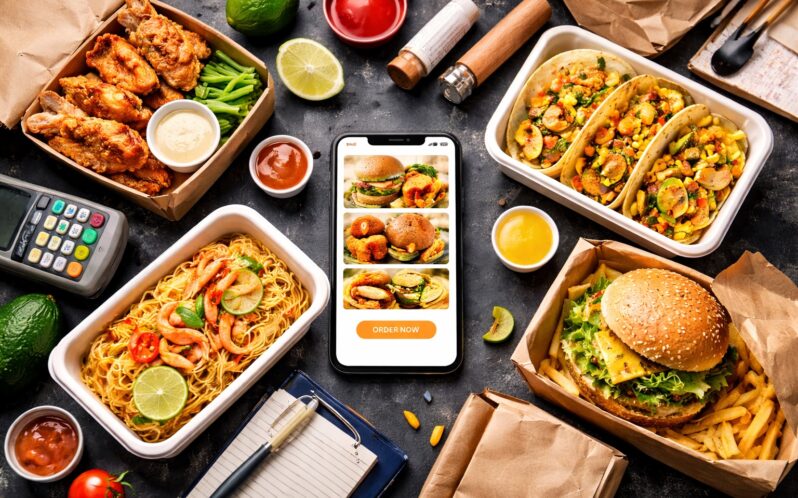
A virtual restaurant brand (often called a cloud kitchen brand or delivery-only brand) is a restaurant concept that primarily sells online and fulfills orders through a production kitchen rather than a traditional dine-in storefront. The “brand” lives on digital channels—your website, apps, delivery marketplaces, social media—and success depends on speed, consistency, and smart local marketing.
The big advantage: you can test a focused menu, validate demand, and build a repeat customer base without taking on the costs of a full dine-in operation. But the real winners don’t rely only on aggregators. They build a direct ordering channel early so they control customer data, margins, and repeat orders.
The 30-Day Reality Check: What You Can Launch vs What You Should Perfect Later
Launching in under 30 days is realistic if you prioritize execution over perfection. Your goal is not to build a “perfect” brand on day one—it’s to go live with a compelling concept, a tight menu, dependable packaging, and a reliable fulfillment process. You can iterate weekly based on order data and customer feedback.
In the first 30 days, focus on:
- One clear concept with one clear target audience
- A menu designed for delivery (not dine-in)
- Fast kitchen operations and predictable prep times
- Strong product photos and clear descriptions
- A direct ordering channel (website + mobile) for repeat business
Days 1–3: Choose a Concept That Works for Delivery (Not Just Something You Like)
The fastest way to fail is launching a menu that travels poorly. Delivery customers judge you on how the food arrives, not how it tastes fresh in the kitchen. Pick a concept built for delivery: items that hold texture, maintain temperature, and can be packed consistently.
Concept ideas that typically perform well in delivery-first models:
- Bowls (rice bowls, salad bowls, protein bowls)
- Sandwiches and wraps with strong packaging
- Wings and fried items with vented packaging
- Pizza-style items with a clear size and topping structure
- Dessert and beverages with add-on potential
Also decide the brand personality early: bold and fun, premium and healthy, comfort food, family value packs, etc. Your positioning should be explainable in one sentence.
Days 4–7: Build a Menu That Is Designed for Speed, Margins, and Repeat Orders
A virtual restaurant menu should be compact and operationally efficient. Avoid a 50-item menu at launch. Start with 10–18 items that share core ingredients to reduce prep complexity and inventory waste. You’ll learn what sells quickly and expand later based on real demand.
Use this simple structure:
- 3–5 signature best-sellers (your “hero” items)
- 3–6 variants (spice levels, protein options, sizes)
- 2–4 sides (high margin, easy to prep)
- 2–4 beverages/desserts (simple upsells)
Make upsells frictionless. Add-ons and combos are how virtual brands improve order value without needing more customers.
Days 8–12: Set Up Kitchen Operations and Supplier Logistics for Consistency
Execution is everything. Even a great concept will lose customers if orders arrive late, incorrect, or inconsistent. Standardize your operations early:
- Define prep times per item and peak-hour capacity
- Create portioning rules and plating standards
- Use a simple kitchen checklist for every order
- Set clear “out of stock” and substitution rules
- Design packaging that protects quality and reduces spills
If you’re using a shared kitchen or existing restaurant kitchen, define production windows and responsibilities clearly. Your brand must be reliable from day one because delivery customers churn fast.
Days 13–16: Create Your Branding Assets Without Over-Spending
You don’t need a huge budget for branding, but you do need brand consistency. In 30 days, keep it simple: logo, primary colors, packaging stickers, and product photography that looks professional.
Minimum branding kit:
- Brand name and tagline (clear and memorable)
- Logo (usable on app icons and packaging)
- Color palette and typography rules
- Packaging labels (brand name, social handle, QR code)
- Menu photos for best-sellers and combos
Photos matter more than most founders think. In delivery-first businesses, photos often decide whether customers click “order.”
Days 17–20: Build Your Direct Ordering Channel (The Part That Creates Long-Term Profit)
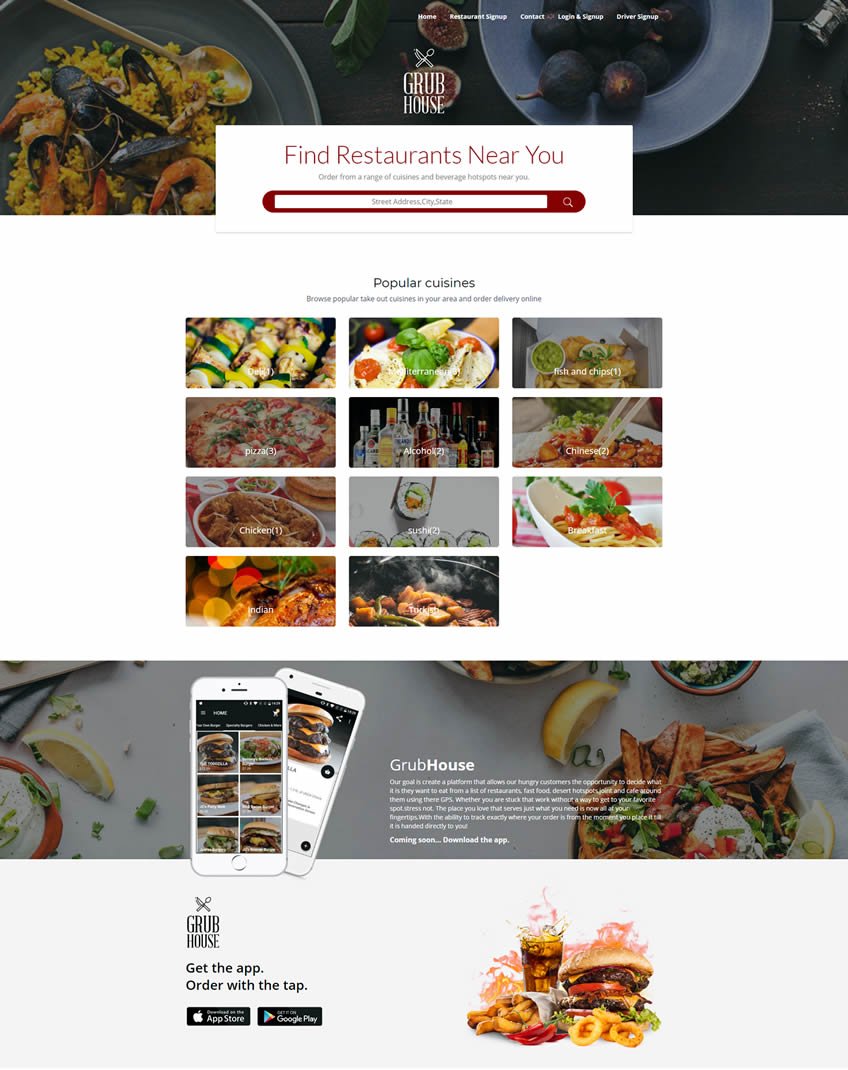
If you only sell through aggregators, you’ll pay commissions and lose control of customer data. The fastest path to stable profits is building a direct ordering channel early—your own website ordering and mobile ordering experience.
To launch quickly and professionally, use Food Ordering Web & Mobile Apps For Restaurant so customers can order directly from your brand. This reduces dependency on third-party marketplaces and gives you a platform for loyalty programs, push notifications, and repeat customer campaigns.
Your direct channel should include:
- Fast ordering flow (few clicks, minimal friction)
- Pickup and delivery options
- Coupon and loyalty options (even if basic)
- Order tracking and confirmation messages
- Simple re-order and favorites
Days 21–23: Decide Your App Strategy (PWA vs Native) and Budget Smartly
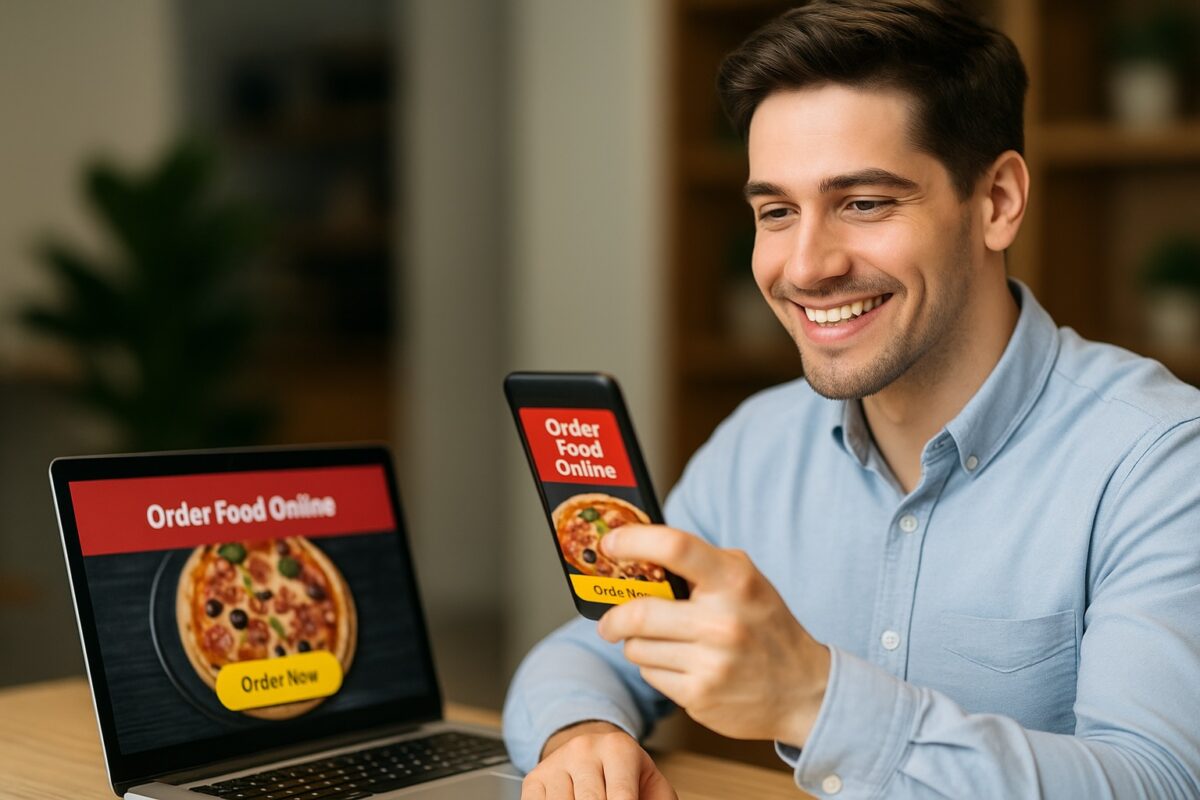
Most virtual brands benefit from having both web ordering and a mobile-first experience. You don’t necessarily need to start with expensive custom apps, but you do need a seamless mobile ordering journey because a large share of food orders happen on phones.
Budget planning is important. Many founders start with the wrong question (“Should I build an app?”) instead of the right one (“What will produce repeat orders at the lowest cost?”). If you’re comparing options, review the Restaurant Mobile App Cost so you can choose the best setup for your timeline, region, and launch budget.
Also factor in your website ordering cost structure and maintenance needs. A clear understanding of Online Food Ordering System Cost helps you plan realistically and avoid hidden surprises later.
Days 24–26: Go Live on Delivery Platforms, But Use Them Strategically
Aggregators can bring fast demand, especially in your first month. But the smarter strategy is using them to acquire customers while shifting repeat behavior toward your direct ordering channel over time.
Launch checklist for delivery marketplaces:
- Optimize your brand name and description for local search
- Upload high-quality photos for top 5 items
- Create bundles and combos to increase average order value
- Set realistic prep times to avoid late deliveries
- Use a short introductory offer (limited time, not permanent discounting)
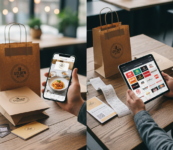
Always include a subtle brand insert in packaging with a QR code and a direct ordering message. Over time, direct orders become your strongest profit driver.
Days 27–30: Launch Marketing That Actually Produces Orders (Not Just Likes)
In the first 30 days, your marketing goal is orders and repeat orders—not vanity metrics. Focus on hyper-local channels and tactics that convert.
High-performing launch marketing actions:
- Google Business Profile for your kitchen location (posts, offers, reviews)
- Local influencer outreach (micro-creators with real neighborhood reach)
- Flyers with QR codes in office buildings and apartments (where allowed)
- Instagram Reels showcasing packaging and best-sellers
- Referral credits (reward both giver and receiver)
Use your direct platform to capture customers. Add your ordering link everywhere: bio links, WhatsApp, QR on packaging, and social posts. This is where Food Ordering Web & Mobile Apps For Restaurant becomes a practical advantage because it lets you run campaigns that bring customers back without paying commissions repeatedly.
Operational KPIs to Track From Day One (So You Don’t Lose Customers)
Most virtual restaurant brands fail due to operational issues, not marketing. You can’t “market your way out” of late deliveries or wrong orders. Track these KPIs weekly, even if you’re small:
- On-time delivery / pickup readiness rate
- Average prep time per item and per hour
- Order accuracy and complaint rate
- Refund rate and reason codes
- Repeat order rate (7-day and 30-day)
- Average order value and add-on rate
Use data to refine your menu, packaging, prep workflow, and promotions. Small improvements here create massive gains in repeat orders.
Common Mistakes That Delay Launch Beyond 30 Days
Many founders miss the 30-day launch window because they overbuild, overcomplicate, or chase perfection. Avoid these common mistakes:
- Launching a menu that’s too large and hard to execute consistently
- Skipping professional product photos and relying on poor visuals
- Relying only on aggregators and ignoring direct ordering
- Underestimating packaging and delivery experience
- Not planning cost structure (apps, web, support, promotions)
If your goal is speed-to-market, choose systems that are already proven and focus your energy on operations and local demand generation.
How Much Does It Cost to Launch a Virtual Restaurant Brand?
Costs vary by city, kitchen arrangement, and operational model, but the best way to think about it is to separate setup costs and monthly operating costs. Setup costs include brand assets, packaging, menu photography, and your ordering system setup. Monthly operating costs include ingredients, kitchen rent, labor, delivery fees, and marketing.
To budget accurately, review your projected Online Food Ordering System Cost and compare it with your expected order volume and margins. If you plan to include branded mobile ordering, understanding Restaurant Mobile App Cost will help you choose the most cost-efficient approach for your launch phase.
Why Direct Ordering Wins: Build an Asset, Not Just a Listing
When you build direct ordering, you’re building an asset: customer data, repeat purchase behavior, and brand loyalty. Aggregators can remove you overnight, change fees, or push competitors above you. Your own ordering channel gives you stability and control.
That’s why many virtual brands invest early in Food Ordering Web & Mobile Apps For Restaurant—it enables repeat ordering, promotions, and customer retention campaigns without paying high commissions on every order.
Even if you still use aggregators for reach, your direct channel becomes the engine that drives profitability over time.
How FoodAppsCo™ Helps You Launch Faster With Web & Mobile Ordering
If your goal is to launch a virtual restaurant brand in less than 30 days, speed and execution matter more than building everything from scratch. FoodAppsCo™ provides ready-to-launch solutions including Food Ordering Web & Mobile Apps For Restaurant so you can start taking orders through your own branded channel quickly and professionally.
With FoodAppsCo™ solutions, you can:
- Launch a branded online ordering website and mobile-first ordering experience
- Offer delivery and pickup with a streamlined ordering flow
- Run coupons, deals, and repeat-customer campaigns
- Maintain full control over your branding and customer relationship
To plan your launch budget, explore the detailed guides on Restaurant Mobile App Cost and Online Food Ordering System Cost. With the right tools and a focused 30-day plan, you can launch faster, operate smarter, and grow a delivery-first brand with confidence.