The UberEats Alternative: Launch a Local Delivery Marketplace in Your City
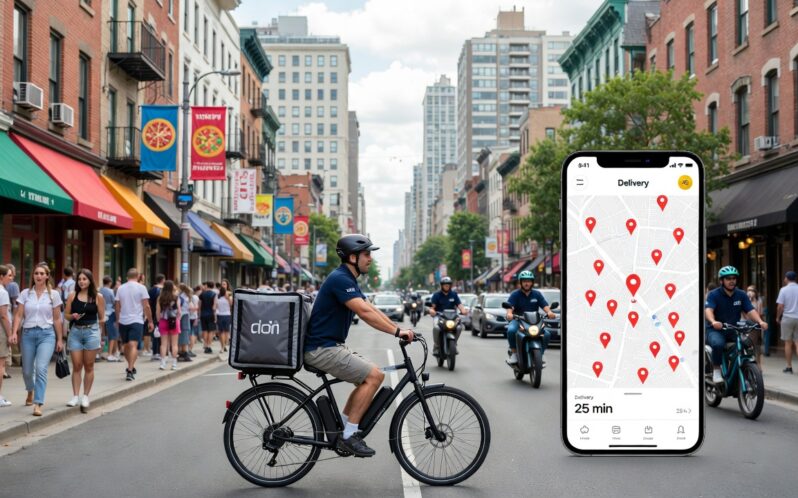
The Rise of Local Food Delivery Platforms in the USA
The food delivery scene in the United States has exploded since the pandemic. What started as a convenience for busy families in New York City or Los Angeles quickly became a lifeline for restaurants everywhere. Today, Americans order takeout more than ever, with delivery apps handling billions in orders each year. But while giants like UberEats, DoorDash, and Grubhub grab most of the headlines, a quieter shift is happening.
Entrepreneurs, restaurant owners, and local operators are building their own platforms right in their cities. These local food delivery marketplace platforms let communities keep more money circulating locally instead of sending it to corporate headquarters in San Francisco. From bustling streets in Chicago to quieter neighborhoods in Denver, business owners are spotting the chance to create something tailored to their area.
This rise isn’t just about food. It’s about control, better margins, and building a brand that actually belongs to your city. If you’ve ever wondered whether there’s a smarter way than handing over huge commissions to third-party apps, you’re not alone. Many smart founders are already making the switch.
Why Entrepreneurs Are Looking for UberEats Alternatives
Running a restaurant group or starting a delivery service used to mean signing up with one of the big apps and hoping for the best. Now, founders across the USA are asking a different question: Why share all that revenue when I can own the marketplace myself?
The numbers tell the story. Big apps charge restaurants 15 to 30 percent per order plus extra fees for promotions and priority placement. That adds up fast when your average ticket in Miami or Dallas sits around $35. Entrepreneurs see the opportunity to flip the script—keep more profit, set their own rules, and build real loyalty with local customers and drivers.
Plus, the market is still growing. Post-pandemic habits aren’t going away. People in Seattle want fast delivery from their favorite neighborhood spots, not just chain restaurants. Local platforms give you the power to focus on exactly those businesses. It’s no wonder startup founders and restaurant operators are hunting for practical UberEats alternatives that actually work for their city.
The Problem with Third-Party Delivery Apps for Restaurants
Restaurant owners in cities like Boston or Atlanta know the pain all too well. You pay massive commissions just to get orders, then watch your hard-earned margins disappear. Many places operate on razor-thin 3 to 5 percent profits already. Losing 25 percent to an app can mean the difference between staying open and closing the doors.
There’s more. Third-party apps own the customer data. You don’t get the phone numbers, emails, or repeat-order insights. Marketing becomes expensive because you’re always paying to reach your own customers. Drivers aren’t your team either—they bounce between apps, so service quality varies wildly.
Restaurants also face strict rules on pricing, photos, and promotions. One bad review on the big platform can hurt your brand for months. Local operators in mid-sized cities are tired of playing by someone else’s rules. They want a better system that puts them first.
What Is a Local Food Delivery Marketplace Platform?
Think of it as your city’s own UberEats—but built for you. A local food delivery marketplace platform connects restaurants, customers, and drivers all under one branded app that you own. Customers order through your sleek mobile app, restaurants manage orders from their dashboard, and drivers use a dedicated app to pick up and deliver.
The best part? Everything stays local. Orders don’t get routed through some distant algorithm that favors big chains. You decide which restaurants join, what fees to charge, and how the experience feels. It’s perfect for entrepreneurs who want to serve their specific community—whether that’s college students in Austin or families in suburban Phoenix.
These platforms aren’t just apps. They’re complete business systems designed to generate revenue while giving everyone involved a better deal than the big national players.
How a Ready Food Delivery Marketplace Solution Works
A Ready Food Delivery Marketplace Solution takes the guesswork out of building everything from scratch. The platform comes pre-loaded with customer apps for iOS and Android, a restaurant management panel, driver apps, and a powerful admin dashboard. You simply customize the colors, logo, and city name, then launch.
Here’s the flow in action. A customer in your city opens the app, browses local restaurants, places an order, and pays securely. The restaurant gets notified instantly and prepares the food. Your drivers receive the job through their app with GPS navigation. Real-time tracking keeps everyone happy. Payments are handled automatically, and you earn your commission on every order.
The system handles ratings, promotions, order history, and analytics so you can grow smarter. No coding required—just focus on signing up restaurants and marketing to local customers. It’s the fastest way for busy entrepreneurs to enter the delivery game without a massive tech team.
Step-by-Step: How to Launch a Local Delivery Marketplace in Your City
- Choose your platform provider and pick a ready-made solution that fits your budget and timeline.
- Brand everything—logo, colors, and city-specific name—so customers know it’s local.
- Onboard restaurants with simple agreements and training. Start with 20-30 favorites in your area.
- Recruit drivers from the local community. Offer competitive pay and flexible hours.
- Launch a targeted marketing campaign using social media, local influencers, and restaurant partnerships.
- Go live and monitor the first week closely, then scale based on real data.
Most operators see their first orders within days of launch. The whole process can take just a few weeks when you use the right tools.
Revenue Streams of a Food Delivery Marketplace
Owning your marketplace opens up multiple ways to make money. The most obvious is the commission on every order—typically 10 to 20 percent that you control. Delivery fees add another layer, and you can adjust them by distance or time of day.
Restaurants love subscription plans where they pay a flat monthly fee for priority placement and marketing support. You can also sell advertising slots to local businesses or run sponsored promotions. Data insights become valuable too—sell anonymized trends to restaurants or use them to create premium features.
Don’t forget surge pricing during busy hours or special event tie-ins. In cities like Las Vegas during big weekends, these extra streams really add up. Smart operators combine several revenue sources to build a healthy, sustainable business.
Realistic Earning Potential in US Cities (include examples and numbers)
Let’s talk real numbers. In a mid-sized city like Indianapolis or Nashville with around 100 active restaurants, many marketplace owners report 300 to 600 daily orders within the first six months. At an average order value of $32 and a 15 percent commission, that’s $1,440 to $2,880 per day in revenue.
After paying drivers and basic operating costs, net margins often land between 25 and 35 percent. That works out to $12,000 to $30,000 monthly profit once things stabilize. In bigger markets like Houston or Phoenix, operators regularly clear $50,000 or more per month after year one.
Smaller cities like Boise or Spokane show strong results too. Lower competition means faster growth—some hit 200 orders daily with just 50 restaurants. The key is local focus. When customers see your brand supporting neighborhood spots, they order more often and stay loyal. These numbers aren’t dreams; they’re happening right now for founders who took the leap.
Why White Label Platforms Are the Fastest Way to Launch
Building an app from zero can cost hundreds of thousands and take a year or more. A White Label Food Delivery Marketplace Solution changes that completely. You get a fully tested, market-ready platform that you rebrand as your own in days, not months.
Everything is included—apps, payment processing, GPS tracking, admin tools, and ongoing updates. You skip the expensive development phase and focus on what really matters: growing your city’s network. Most white-label providers handle technical maintenance too, so you’re never stuck fixing bugs at midnight.
Entrepreneurs love the speed. Some launch their branded marketplace in under four weeks and start taking orders immediately. It’s the smartest shortcut for restaurant groups and startup founders who want to capture market share before someone else does.
Key Features Needed in a Food Delivery Marketplace Solution
Not every platform is created equal. The best ones include real-time order tracking so customers always know where their food is. Push notifications keep everyone updated without constant checking.
Restaurants need an easy dashboard to update menus, manage inventory, and accept or reject orders quickly. Drivers want simple navigation, earnings reports, and instant payout options. Customers expect multiple payment methods, saved addresses, and loyalty rewards.
Look for built-in analytics that show peak hours, popular items, and customer retention. Promo tools, rating systems, and multi-language support help you stand out. A solid Food Delivery Marketplace Solution also includes fraud protection and 24/7 support to keep things running smoothly.
Opportunities in Small and Mid-Sized US Cities
Big national apps focus on major metros, leaving plenty of room in places like Tulsa, Omaha, or Albuquerque. Competition is lighter, so you can sign up restaurants faster and build loyalty quicker. Local customers in these cities often prefer supporting homegrown platforms over faceless corporations.
Restaurant owners here feel the squeeze from high fees even more. Your platform can offer them 10 to 15 percent commissions instead of 30 percent. That difference alone gets them excited to join. Drivers appreciate shorter delivery distances and more consistent work without battling downtown traffic.
Many successful marketplaces started in smaller cities and grew steadily. The lower customer acquisition cost and strong word-of-mouth make these markets ideal for new operators looking for steady, profitable growth.
Expansion Potential: Turning One City into a Multi-City Marketplace Network
Once your first city is humming, adding new locations becomes surprisingly easy. The same platform handles multiple cities from one admin panel. You simply create new sub-brands or expand the existing one.
Many owners start in their hometown, prove the model, then roll out to neighboring cities. Before long, you’re running a regional network covering several states. Shared driver pools and centralized marketing make scaling efficient.
The best part? Each new city adds revenue without rebuilding the tech. Some operators now run successful marketplaces across five or more cities, generating steady six- or seven-figure annual revenue. Your single-city launch could become the foundation of something much bigger.
Comparison Table: UberEats vs Owning Your Own Marketplace Platform
| Aspect | UberEats / DoorDash Model | Owning Your Own Marketplace Platform |
|---|---|---|
| Commission Rates | 15-30% plus extra fees | You set 10-20% and keep more |
| Customer Data Ownership | App owns everything | You own all data and relationships |
| Branding & Control | Limited to their rules | Full control over look, fees, and promotions |
| Profit Margins for Restaurants | Very low after fees | Higher margins, happier partners |
| Launch Time | Immediate but expensive long-term | Weeks with white-label solution |
| Revenue Streams | Limited to commissions | Multiple (commissions, subscriptions, ads) |
| Scalability | Depends on their algorithm | You control growth across cities |
How long does it take to launch a local food delivery marketplace?
With a ready-made solution, most entrepreneurs launch in 3 to 6 weeks. The technical setup takes just a few days once you customize branding and test payments. The rest of the time goes toward signing up restaurants and drivers in your city. Cities like Portland and Charlotte have seen platforms go live in under a month. You don’t need coding skills—just follow the step-by-step onboarding process provided by the platform team. This speed lets you start earning revenue quickly instead of waiting a year for custom development. Many founders are taking orders within the first 30 days.
How much does it cost to start my own food delivery marketplace?
White-label platforms keep startup costs reasonable—typically between $5,000 and $25,000 depending on features and customization. This covers app branding, initial setup, and the first few months of support. Compare that to building from scratch, which can exceed $200,000. Ongoing costs are mainly marketing and driver incentives, which you control. In smaller US cities, many operators break even within three to four months. The low entry barrier makes it accessible for restaurant groups and individual entrepreneurs who want to test the waters without huge risk.
Do I need technical experience to run a food delivery platform?
Not at all. Modern Food Delivery Marketplace Solutions are designed for non-technical founders. The admin dashboard is simple and web-based, with clear reports and one-click actions. Providers offer full training and ongoing support. You focus on business decisions like restaurant partnerships and local marketing. Thousands of successful operators across the USA run their marketplaces without any coding background. The platform handles all the heavy tech lifting, from GPS tracking to payment processing, so you can concentrate on growing your local network.
How do I get restaurants to join my new marketplace?
Start with the ones you already know. Offer lower commissions and better support than big apps. Most restaurant owners in cities like San Diego or Minneapolis are eager to reduce fees. Provide free onboarding, menu setup, and marketing help. Share success stories from similar cities to build trust. Host small demo events or partner with local chambers of commerce. Once your first 20 restaurants are live and happy, word spreads fast. Happy partners become your best salespeople. Focus on delivering great service from day one.
Can I expand my marketplace to multiple cities later?
Absolutely. The best platforms are built for easy expansion. You manage everything from one central admin panel while keeping city-specific branding. Many operators begin in their home city, prove the model, then add neighboring markets within months. Driver apps and restaurant tools work seamlessly across locations. This network effect creates even stronger revenue. Founders who started in one mid-sized city now operate profitably in three or four regions. The technology supports growth without extra development costs.
What payment options should my platform support?
Customers expect Apple Pay, Google Pay, credit cards, and digital wallets. Top solutions include all major methods plus cash on delivery for certain areas. Restaurants receive payouts weekly or instantly through integrated systems. The platform handles taxes and fees automatically. Offering multiple options increases order completion rates by up to 30 percent in US cities. Make sure your chosen solution supports local preferences—some areas still love cash while others go fully digital. Flexible payments help you win customers faster.
About the Platform by FoodAppsCo™
FoodAppsCo™ provides a complete White Label Food Delivery Marketplace Solution that lets entrepreneurs and restaurant groups launch their own branded platform quickly and affordably. You get fully functional customer apps, restaurant management panels, driver applications, and a powerful admin system—all ready to customize with your city’s look and feel.
The platform is built specifically for the US market with local payment options, real-time tracking, and easy scaling tools. Thousands of orders flow through similar systems every day, proving the model works in cities of all sizes. Whether you’re starting small or planning regional growth, this solution gives you everything needed to compete and win.
Ready to take control of your local delivery market? Contact White Label Food Delivery Marketplace Solution Provider today to learn how easy it is to launch your own successful platform.