On-Demand Food Delivery App Development Company (2026)

In today’s mobile-first economy in 2026, digital platforms have completely changed how customers interact with local businesses. People now rely heavily on smartphones for ordering services, booking appointments, making payments, and managing everyday needs. Food delivery, grocery delivery, ride services, and many other local services are now expected to be available instantly through mobile apps and online platforms.
For businesses, this shift creates a huge opportunity. Digital platforms allow companies to connect with customers within seconds and deliver services directly to their homes or offices. From food delivery and grocery shopping to household items and convenience products, customers expect fast, reliable, and seamless ordering experiences without leaving their homes.
Online ordering continues to grow because modern consumers live busy lifestyles and prefer convenience. Instead of spending time visiting restaurants or cooking every meal at home, many customers now order food online through mobile apps or websites. The ability to browse menus, place orders, and track deliveries in real time has become a standard expectation in the digital economy.
Because of this growing demand, many entrepreneurs and restaurant operators are launching their own delivery platforms using On-Demand Food Delivery App solutions. If you are planning to start a food delivery marketplace, the first step is choosing the right On-Demand Food Delivery App Development Company that can provide the technology infrastructure needed to operate such a business.
How On-Demand Food Delivery Companies Work
As a business owner operating a Ready On-Demand Food Delivery Marketplace solutions, you need to provide several applications that connect customers, restaurants, delivery drivers, and administrators within a single ecosystem.
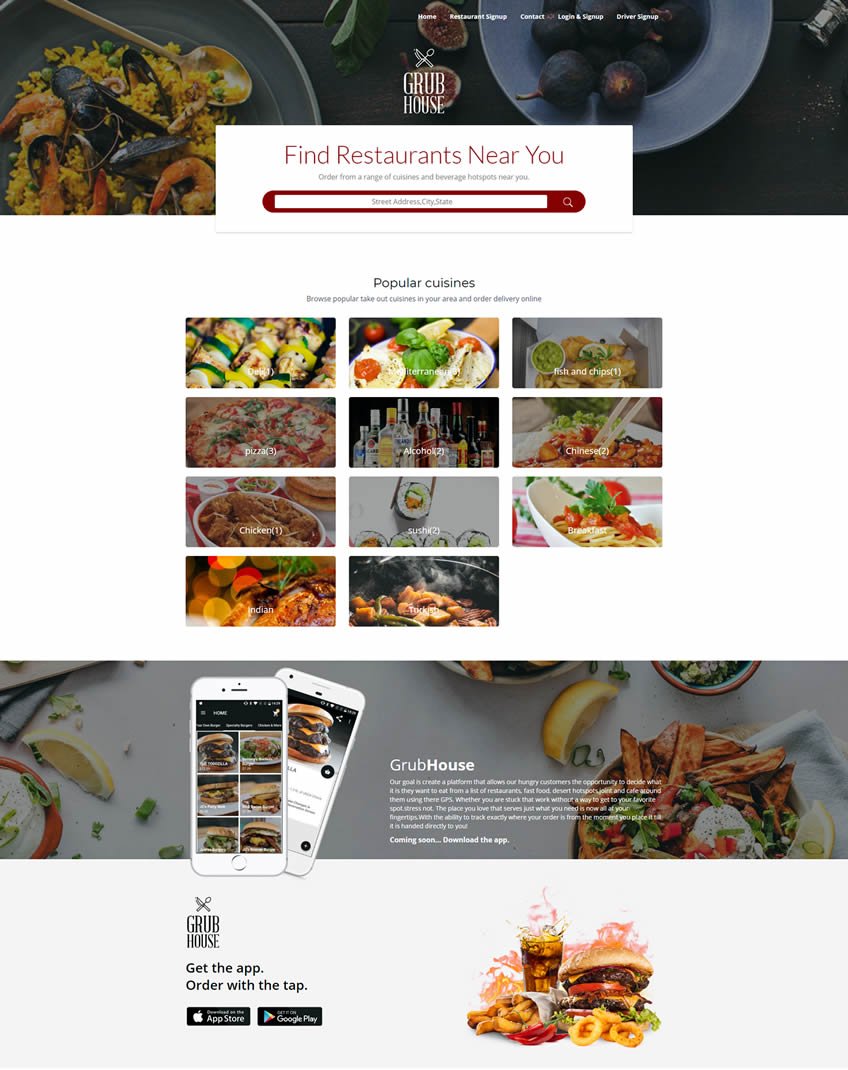
- Web-Based Multi Restaurant Portal – A responsive website where restaurants registered on the platform can display their menus and accept online orders. Customers browse restaurants, explore menus, and place food orders directly through the website.
- Web-Based Backend for Restaurants – Each restaurant receives its own control panel to manage menu items, incoming orders, promotions, and sales reports. This allows restaurants to operate independently while still being connected to the central marketplace.
- Master Admin Control Panel – This is the central dashboard used by the marketplace owner to manage restaurants, customers, orders, payments, analytics, and overall platform operations.
- Multi-Restaurant Customer Apps – Mobile applications for iOS and Android that allow customers to browse restaurants, place orders, track deliveries, and receive notifications. These apps help businesses maintain long-term engagement with regular customers.
- Kitchen Order Management App – Restaurants use a kitchen display or tablet application to manage incoming orders efficiently. Staff can update order status, track preparation progress, and coordinate with delivery drivers.
- Driver Delivery App – Delivery drivers receive order notifications through a mobile app that helps them navigate to restaurants and deliver food to customers while sharing real-time location tracking.
- Delivery Management Console – A web-based dashboard used by the platform owner or restaurants to manage delivery staff, assign orders, monitor driver locations, and optimize delivery operations.
How the ordering process works: Customers browse restaurants through the website or mobile apps, select their preferred dishes, and place orders using online payment or cash on delivery. The order is received by the restaurant through the kitchen management system. Once the restaurant confirms the order, a nearby delivery driver is notified and assigned to pick up the food and deliver it to the customer.
Top Features of On Demand Food Delivery App Development
- Customer Sign-Up – Customers can register quickly using their mobile number with OTP verification or email login. Social login options such as Google or Facebook can also be integrated for convenience.
- Smart Search – Customers can search restaurants by name, cuisine, location, or food category. The platform automatically detects the user’s location and displays nearby restaurants.
- Customer Loyalty Program – Loyalty programs reward customers with points or discounts for frequent orders, encouraging repeat purchases and long-term engagement.
- Multiple Service Options – Platforms can support food delivery, take-away orders, curbside pickup, and even dine-in reservations depending on business requirements.
- Discount and Coupon System – Promotional offers and coupon codes help attract new customers and increase order frequency.
- Multiple Ordering Channels – Customers can place orders through the website, mobile apps, or other integrated digital channels depending on their preference.
- Customer Reviews – Users can leave reviews and ratings for restaurants, helping other customers make better decisions while improving service transparency.
- Push Notifications – Businesses can send promotional offers, order updates, and announcements directly to customers through push notifications.
- Order Tracking – Customers can track their orders in real time while restaurants and delivery managers monitor delivery progress.
- Multiple Payment Options – Platforms typically support credit cards, digital wallets, online banking, and cash-on-delivery payment methods.
- Order History – Customers can review previous orders and quickly reorder their favorite meals.
How Much Does It Cost to Develop On-Demand Food Delivery App in 2026?
The cost of launching a food delivery platform depends largely on whether you choose custom development or a ready marketplace solution.
- Custom Development – Building a platform from scratch provides full control over features and architecture. However, it requires a skilled development team, extensive testing, and longer development cycles. Custom marketplace development can take several months and typically costs between $20,000 and $100,000+ depending on complexity.
- Ready On-Demand Food Delivery Marketplace Apps – Ready-made platforms allow entrepreneurs to launch quickly with significantly lower investment. These solutions are white-labeled to match the business brand and usually take only a few weeks to deploy. Businesses can start operations faster and test their target market with minimal technical risk.
Earning Models of a Food Delivery Marketplace
Food delivery marketplaces can generate revenue through multiple monetization models.
- Commission per Order – The platform earns a percentage or fixed fee for each order processed through the system.
- Restaurant Subscription Plans – Restaurants pay monthly or yearly subscription fees to list their business and access premium features.
- Advertisement Placements – Restaurants can pay for premium placement on the homepage or search results to increase visibility.
- Marketing Services – Platforms may offer promotional services such as social media marketing, sponsored listings, or campaign management for partner restaurants.
Overall, launching a white-label food delivery marketplace remains a strong business opportunity in 2026. Beyond restaurant delivery, similar platforms can also support grocery delivery, pharmacy orders, and other local commerce services, allowing entrepreneurs to build scalable digital marketplaces.