How to Earn $12,000 Per Month in the Food Delivery Business (Modern Blueprint)
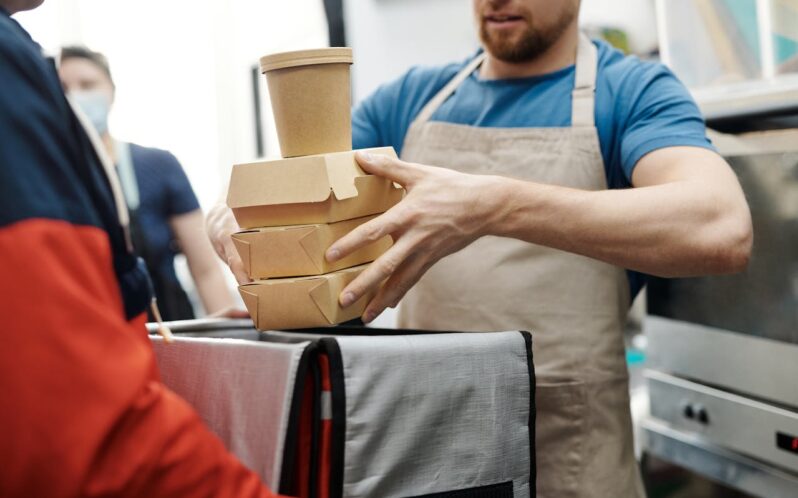
The food delivery industry has matured beyond experimentation. Today, the most profitable operators are not competing with global aggregators—but building localized, white-label delivery platforms that restaurants trust and depend on.
Earning $12,000 per month is not about high order volume. It’s about recurring revenue, ownership, and smart positioning. This guide breaks down the exact steps used by profitable food delivery businesses today.
Step 1: Understand Where Real Profits Come From in Food Delivery
Most people assume profits come from per-order commissions. In reality, commissions are unstable, difficult to scale, and increasingly resisted by restaurants. The modern delivery business focuses on monthly recurring revenue, where restaurants pay for technology, visibility, and operational support instead of giving away margins.
This shift allows operators to build predictable income without relying on aggressive marketing or deep discounts.
Key profit drivers in modern food delivery businesses:
- Subscription-based pricing gives restaurants cost predictability while giving you stable monthly income regardless of order volume.
- Platform ownership ensures you control pricing, branding, and data rather than being dependent on third-party marketplaces.
- Local focus dramatically reduces acquisition costs and improves retention, as restaurants value nearby partners who understand their market.
Step 2: Choose the Right Food Delivery Business Model
Not all food delivery models are designed to scale profitably. Selecting the wrong model can trap you in high operational complexity with low margins. The key is choosing a model that balances automation, ownership, and recurring revenue.
Below is a comparison of common models:
| Business Model | Revenue Stability | Scalability | Margin Potential |
|---|---|---|---|
| Aggregator Marketplace | Low | Difficult | Thin |
| Single Restaurant Brand | Medium | Limited | Medium |
| White-Label Marketplace | High | High | Strong |
The white-label marketplace model stands out because it allows you to serve multiple restaurants using one centralized system, without competing against them.
Why this model works best:
- Restaurants prefer paying a fixed monthly fee instead of losing 20–30% per order.
- You can onboard new merchants without rebuilding infrastructure each time.
- The business becomes asset-based rather than labor-intensive.
Step 3: Define a Clear Revenue Target and Pricing Structure
To reach $12,000 per month, you need clarity on pricing from day one. Guesswork leads to underpricing, which is difficult to correct later. Instead, build a simple, transparent pricing structure that aligns with restaurant expectations.
Here’s a realistic revenue breakdown:
| Restaurants | Monthly Fee | Monthly Revenue |
|---|---|---|
| 40 | $299 | $11,960 |
| 30 | $399 | $11,970 |
| 25 | $499 | $12,475 |
This approach removes dependence on order volume and seasonal fluctuations.
Best practices for pricing:
- Keep plans simple and easy to explain during sales calls.
- Position pricing as a cost-saving alternative to commission platforms.
- Avoid free plans; free users rarely convert into long-term customers.
Step 4: Launch Your Own Branded Delivery Platform
Your brand must be visible at every customer touchpoint. Businesses that rely on third-party platforms struggle to build trust and long-term value. A branded platform positions you as a technology provider, not a middleman.
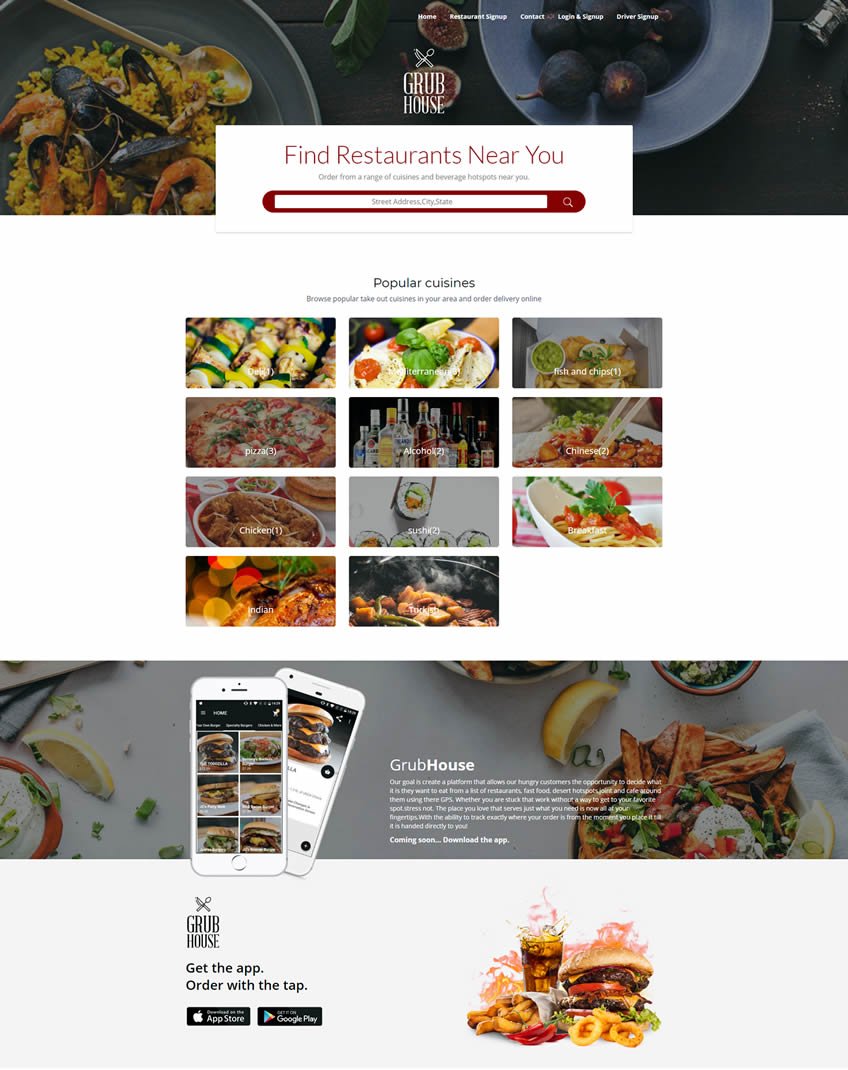
Your delivery platform should offer a complete ecosystem that works smoothly for customers, restaurants, and delivery staff.
Core components of a professional delivery platform:
- A branded web ordering portal optimized for mobile users.
- Customer mobile apps or Progressive Web Apps (PWA).
- Restaurant dashboards for order, menu, and payout management.
- Delivery partner apps with live tracking and status updates.
- A super-admin panel for full platform control.
Ownership of this system is critical to long-term profitability.
Step 5: Focus on One Local Market Before Expanding
Many delivery startups fail by trying to expand too fast. Profitability comes from local dominance, not geographic spread. Focusing on one city or region allows you to refine operations, messaging, and onboarding before scaling.
Local markets also create trust—restaurants prefer working with providers who understand their customer base.
Advantages of starting local:
- Lower marketing and onboarding costs.
- Faster merchant acquisition through referrals.
- Stronger relationships with restaurant owners.
- Better delivery performance and customer satisfaction.
Once the model works in one location, replication becomes predictable.
Step 6: Onboard Restaurants with a Value-First Approach
Restaurants are approached daily by salespeople. To stand out, your offer must be simple, practical, and financially attractive. Avoid overpromising features and instead focus on how you improve their margins and customer retention.
The onboarding process should be fast and non-technical.
What restaurants care about most:
- Clear monthly pricing without hidden commissions.
- Ownership of customer data and branding.
- Easy menu and order management.
- Reliable payouts and support.
A smooth onboarding experience increases retention and reduces churn.
Step 7: Add Multiple Revenue Streams Gradually
Once your platform is stable, additional revenue streams can be layered without complicating operations. These streams increase average revenue per restaurant while keeping your core model intact.
Examples include:
| Revenue Stream | Description |
|---|---|
| Setup Fees | One-time onboarding or branding charges |
| Delivery Fees | Optional per-delivery service fees |
| Marketing Add-ons | Local promotions, push notifications |
| Custom Development | Feature customization for premium clients |
Each add-on should solve a real problem, not just increase pricing.
Step 8: Automate Operations to Protect Margins
Profitability is lost when businesses rely too heavily on manual processes. Automation allows you to scale without increasing headcount.
Modern food delivery platforms automate most operational workflows, from order routing to notifications.
Processes that should be automated early:
- Order acceptance and status updates
- Delivery assignment and tracking
- Restaurant payouts and reports
- Customer notifications and receipts
Automation ensures consistency, accuracy, and scalability.
Step 9: Retain Restaurants with Long-Term Value
Acquiring restaurants is expensive; retaining them is profitable. Retention comes from ongoing value, not contracts alone. Restaurants stay when your platform becomes a core part of their daily operations.
Regular communication and visible improvements strengthen loyalty.
Retention strategies that work:
- Share monthly performance insights with restaurants.
- Offer feature updates without extra cost.
- Provide responsive support and clear documentation.
- Position yourself as a long-term technology partner.
High retention turns your platform into a compounding revenue asset.
FoodApps White Label Marketplace Solution
Building a food delivery business from scratch is complex—but it doesn’t have to be. FoodApps White Label Marketplace Solution is designed for entrepreneurs and agencies who want to launch quickly while maintaining full ownership and control.
The solution includes:
- Fully branded food delivery marketplace
- Customer, restaurant, and delivery apps
- Admin dashboards for complete control
- Scalable architecture for local or multi-city expansion
- One-time pricing with lifetime ownership
With FoodApps, you focus on sales, partnerships, and growth—not software development. This is the fastest path to building a profitable, $12,000-per-month food delivery business using a proven, modern model.



Good stuff that sheds much-needed light on mobile application development as for any service, whether to find a good restaurant or book a cab, most people prefer and rely on relevant service provider mobile apps. Moreover, in today’s world, it becomes difficult to get enough traffic for your business if your business doesn’t have an online presence. However, the details you mention here would be very much helpful for the beginner.
It’s very helpful. Thanks for sharing this.