How to Start a Restaurant Business on Limited Resources in 2026
Starting a restaurant business has never been easy—and in 2026, rising costs, competition, and customer expectations make it even more challenging. However, limited resources do not mean limited opportunities. Many successful restaurant brands today began small, stayed lean, and scaled only after validating demand.
This guide is written for aspiring restaurant owners who want to start smart, minimize risk, and build a sustainable food business without heavy upfront investment.
Think Lean First: Validate Before You Scale
One of the biggest mistakes new restaurant owners make is over-investing too early. Large dining spaces, full staff teams, and expensive interiors can drain capital before the business even gains traction. In 2026, the smarter approach is to validate demand first and expand only when numbers support it.
Starting lean gives you flexibility, control, and the ability to adapt quickly.
Start with a Ghost Kitchen Instead of a Full Dine-In Restaurant
If you are working with limited capital, a ghost kitchen is one of the most cost-effective ways to enter the restaurant business. A ghost kitchen allows you to operate without a dining area, significantly reducing rent, staffing, and interior costs.
You can rent a small kitchen space or operate from a shared facility and focus entirely on food quality and delivery efficiency.
Key advantages of a ghost kitchen model:
- No high rental costs for dining space
- Lower staffing requirements
- Faster setup and launch timeline
- Easy scalability once demand increases
Many well-known food brands today started as delivery-only kitchens before expanding into physical restaurants.
Use Second-Hand Kitchen Equipment Where It Makes Sense
When starting out, not everything needs to be brand new. Second-hand kitchen equipment can significantly reduce your initial investment while still delivering the same functional results.
Customers never see your kitchen equipment—what matters to them is food quality, hygiene, and consistency.
Smart tips for buying used equipment:
- Focus on essential items first (refrigeration, burners, prep tables)
- Ensure equipment is hygienic, certified, and fully functional
- Buy from trusted restaurant supply resellers or closing restaurants
- Avoid cheap electronics that are costly to repair later
This approach preserves capital for marketing and operations, where it matters more.
Leverage Existing Digital Solutions from Day One
In 2026, running a restaurant without digital tools is no longer practical. Technology allows small teams to operate efficiently, manage orders, and reach customers without heavy manpower.
Instead of building everything from scratch, take advantage of ready-made digital solutions that are affordable and fast to deploy.
Essential digital tools to start with:
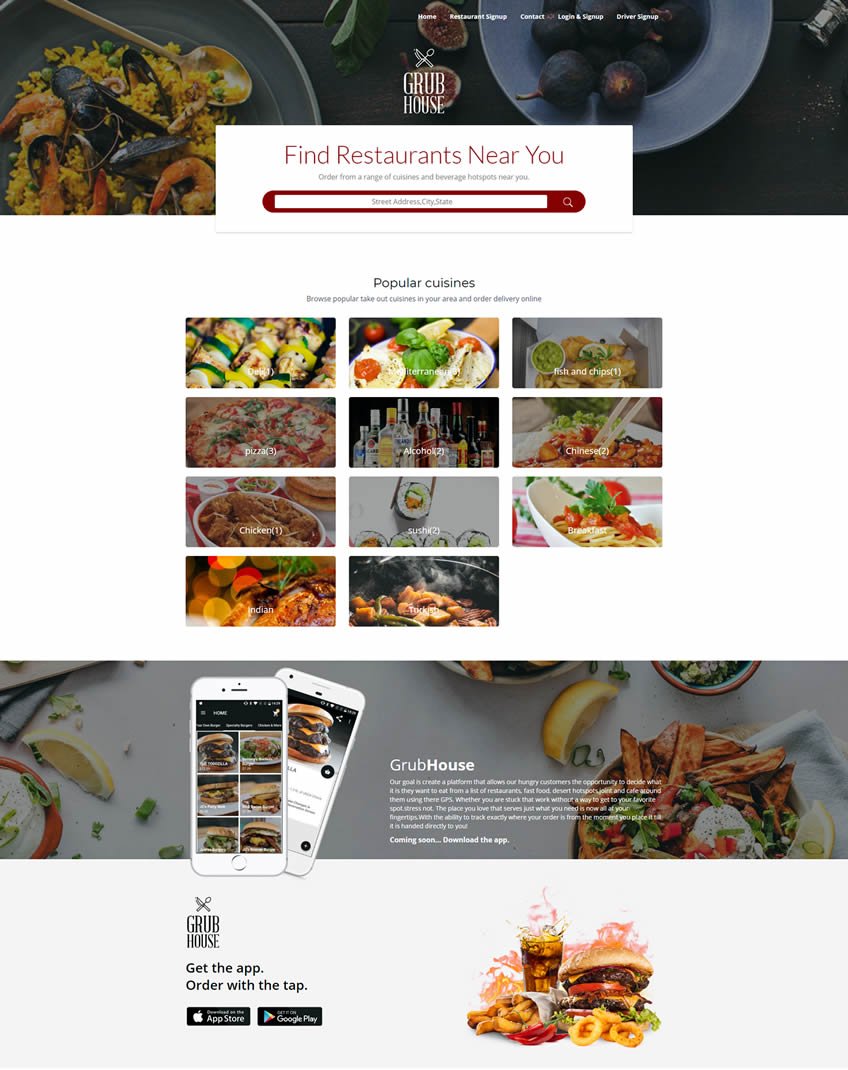
- Online food ordering website
- Mobile ordering or PWA apps
- Digital menu with pricing and images
- Contactless ordering and payments
- Delivery management tools
White-label restaurant solutions allow you to launch quickly while keeping your brand identity intact.
Build a Simple, SEO-Friendly Restaurant Website
Your website is your digital storefront. Even with limited resources, a clean and mobile-optimized website helps customers find you on Google, explore your menu, and place orders directly.
You don’t need an expensive custom design at the start—clarity and usability matter more than visual complexity.
What your restaurant website must include:
- Clear menu with images and prices
- Online ordering or inquiry option
- Location, timings, and contact details
- Google Maps integration
- Fast loading on mobile devices
A strong website reduces dependency on third-party platforms and helps you retain customers. You can connect with White Label Food Apps Company to get reasonable one time priced Restaurant Web Ordering System to start with to optimise your initial orders and investments.
Avoid Traditional Advertising in the Early Stages
Traditional advertising methods like newspaper ads, printed flyers, and billboards are expensive and difficult to measure. In 2026, digital-first marketing delivers better results at a fraction of the cost.
Focus on channels where your customers already spend time.
Low-cost marketing strategies that work:
- Local Facebook and WhatsApp groups
- Google Business Profile optimization
- Instagram and short-form video content
- Referral incentives for first customers
- Branding on delivery packaging
Your food packaging itself becomes a powerful marketing asset when designed thoughtfully.
Cook Yourself or Start with a Single Chef
In the early stages, labor costs can quickly overwhelm your budget. If you have cooking skills, consider preparing food yourself initially or hiring just one experienced chef.
This approach allows you to:
- Maintain quality control
- Reduce salary expenses
- Understand kitchen operations deeply
- Adjust menu items based on real feedback
As order volume grows, you can gradually expand the team without financial pressure.
Adopt a “Do-It-Yourself” Approach in the First Few Months
The first few months of any restaurant business are critical. Managing things yourself initially helps you save money and gain hands-on experience across operations.
Areas you can handle yourself early on:
- Social media posting and engagement
- Customer communication and feedback
- Basic promotions and discounts
- Order monitoring and reporting
- Vendor coordination
This experience becomes invaluable when you later hire staff or managers.
Learn from Constraints: A Real Founder Story
This article is based on the experience of a restaurant owner we work with, shared with permission.
When he first attempted to start his restaurant, he approached a bank for a business loan with a solid plan and documentation. The loan was declined—not due to poor credit or planning, but because the bank considered the risk too high for a first-time restaurant venture.
Instead of giving up, he decided to start with what he had.
He purchased second-hand equipment, used a basic laptop instead of an expensive POS system, and relied on unconventional, low-cost marketing strategies. Without large advertising budgets, he focused on food quality, local visibility, and customer relationships.
That restaurant is now successfully operating dine-in, takeaway, and delivery services.
The experience taught him a critical lesson: limited resources force smarter decisions.
Final Thoughts: Start Small, Stay Focused, Scale Smart
Starting a restaurant with limited resources is not a disadvantage—it is a discipline. It teaches efficiency, resilience, and customer-first thinking.
Every effort you put in during the early days builds a strong foundation for future growth. Stay patient, stay adaptable, and don’t let limited capital limit your confidence.
Many successful restaurant businesses were built not with big funding—but with smart choices, persistence, and belief in the process.