Why you should use QR code enabled Digital Menu in your Restaurant
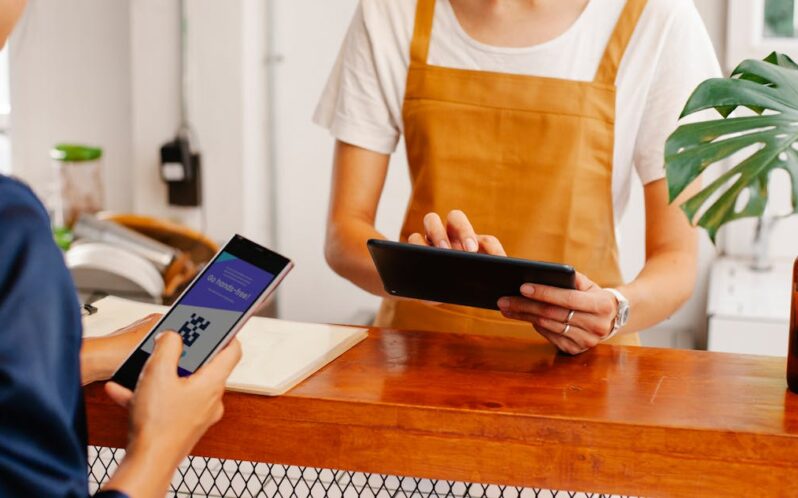
The hospitality industry in 2026 has fully embraced a digital-first philosophy. While physical presence remains the heart of dining, the operational backbone has shifted toward seamless, automated interactions. Modern diners now expect high-tech convenience that complements their culinary experience, making traditional paper-based methods increasingly obsolete in high-volume urban environments.
Today’s consumers are tech-savvy and value their time above all else. They prefer environments where they can control their journey, from browsing ingredients to settling the bill. This shift has turned QR code-based food ordering systems into a standard requirement for restaurants aiming to maintain high efficiency and modern appeal.
What is a QR Code-Enabled Digital Food Menu System?
A QR code-enabled digital food menu system is a touchless solution that bridges the physical and digital worlds. By scanning a small, unique code placed on a table or counter, guests instantly access a dynamic, mobile-optimized menu. This system eliminates the need for bulky physical menus and wait-staff intervention during the initial browsing phase.
In 2026, these systems have evolved beyond simple PDF viewers. They are now interactive platforms integrated with AI-driven upselling, real-time inventory tracking, and instant payment gateways. This technology ensures that the menu a customer sees is always accurate, reflecting the current kitchen status and any active promotional offers without a second’s delay.
1. Enhanced User Experience and Instant Access
The modern diner appreciates the autonomy provided by QR codes digital menu. Upon being seated, guests can immediately browse the menu without waiting for a server to arrive. This instant access is particularly beneficial during peak hours when staff are busy managing multiple tables and high-priority service tasks.
Furthermore, digital menus allow for rich media integration. Instead of a text-only description, restaurants can showcase high-definition images, video clips of the preparation process, and detailed ingredient stories. This transparency builds trust with diners and makes the selection process more engaging and visually satisfying than ever before.
2. Real-Time Menu Management and Dynamic Pricing
One of the greatest advantages for restaurant owners is the ability to edit the menu on the fly. If a specific ingredient runs out, the kitchen can instantly “grey out” that dish across all customer devices. This prevents the frustration of a customer ordering a meal only to be told later it is unavailable.
Dynamic pricing is another trend gaining momentum in 2026. Using a digital system, restaurants can implement happy hour pricing or weekend specials automatically. This flexibility allows for better margin management and enables the business to respond to market trends or supply chain shifts with unprecedented speed and accuracy.
Comparison: Digital vs. Traditional Menus
| Feature | Traditional Paper Menu | QR Code Digital Menu |
|---|---|---|
| Update Speed | Days (Requires Reprinting) | Instant (Real-Time) |
| Operating Cost | High (Printing/Laminating) | Low (Cloud-Based) |
| Order Accuracy | Prone to Human Error | High (Customer-Driven) |
| Data Collection | Non-Existent | Rich Analytics & Insights |
3. Reducing Human Error and Operational Friction
Human error in order taking is a significant source of waste and customer dissatisfaction. When a guest uses QR code-based food ordering systems, they input their preferences directly. This ensures that modifications—such as “no onions” or “extra spice”—are transmitted exactly as requested to the kitchen display system.
By removing the middleman from the order-entry phase, the staff can focus on high-value tasks like food quality control and guest hospitality. This leads to a smoother workflow where the kitchen receives a steady, clear stream of orders, reducing the chaotic “rush” atmosphere and improving the overall pace of service.
4. Significant Cost Savings and Sustainability
The financial benefits of a QR code-enabled digital food menu system are substantial. Printing and laminating high-quality menus can cost a restaurant thousands of dollars annually, especially when accounting for seasonal changes or price adjustments. Digital systems remove these recurring costs entirely after the initial setup.
Sustainability is also a core value for 2026 consumers. By going paperless, your restaurant significantly reduces its environmental footprint. Promoting an eco-friendly brand image is a powerful marketing tool that resonates with younger demographics who prioritize businesses that demonstrate a commitment to waste reduction and modern green practices.
5. AI-Driven Upselling and Increased Revenue
Modern digital menus are designed to sell. Intelligent algorithms can analyze a customer’s selections and suggest perfect pairings, such as a specific wine for a steak or a side of truffle fries for a gourmet burger. These subtle prompts often lead to a 15-20% increase in the average order value.
Unlike a busy server who might forget to mention the daily special or suggest a dessert, a digital menu never misses an opportunity to upsell. By strategically placing high-margin items at the top of the mobile interface, restaurants can influence customer choices and maximize profitability on every single transaction.
6. Frictionless Payments and Faster Table Turnover
The “waiting for the bill” phase is often the most frustrating part of the dining experience. QR-enabled systems solve this by integrating payment gateways directly into the menu interface. Guests can scan, order, and pay at their own pace, allowing them to leave as soon as they are finished.
For the restaurant, this means faster table turnover. When guests aren’t waiting 10-15 minutes for a server to bring the check and process the card, tables become available more quickly for the next party. In a high-traffic establishment, this efficiency can lead to several extra seatings per shift.
Operational Efficiency Metrics
- Staff Efficiency: Servers can manage 30% more tables simultaneously.
- Order Speed: Average time from seating to kitchen ticket reduced by 5 minutes.
- Customer Retention: Higher satisfaction scores due to autonomy and speed.
- Waste Reduction: Fewer incorrect orders mean less food sent back to the kitchen.
7. No App Downloads Required for Accessibility
In the past, some businesses struggled with app fatigue, as customers were reluctant to download software for a single meal. A modern QR code-enabled digital food menu system bypasses this barrier by operating entirely within the mobile web browser. It is a frictionless “scan-and-go” experience.
This universal accessibility ensures that everyone—from elderly diners to international tourists—can use the system with ease. As long as the customer has a smartphone with a camera and an internet connection, they have full access to your restaurant’s digital storefront without any technical hurdles or storage concerns.
8. Valuable Data Insights and Analytics
When you use QR codes digital menu, every click is a data point. You can track which items are viewed most often, which descriptions lead to the most sales, and what time of day specific categories are popular. This level of insight is impossible with traditional paper menus.
These analytics allow owners to perform “menu engineering” with scientific precision. If a high-margin dish has many views but few orders, the price or description can be adjusted. Data-driven decisions take the guesswork out of restaurant management, leading to a more streamlined menu that focuses on what truly drives profit.
9. Integrated Loyalty and Marketing Opportunities
Digital menus serve as a powerful gateway for customer retention. At the end of the ordering process, you can prompt guests to join your loyalty program, follow your social media profiles, or leave a Google review. This turns a one-time diner into a long-term digital connection for your brand.
Because the customer is already on their phone, the barrier to joining a newsletter or following an Instagram page is incredibly low. By capturing this digital footprint during the meal, you can send personalized offers and “we miss you” discounts, ensuring that your restaurant stays top-of-mind for their next dining occasion.
10. Simplified Maintenance and Technical Setup
Implementing a QR code-based food ordering system is surprisingly simple. Modern platforms are designed to be user-friendly, requiring no advanced coding knowledge. Owners can upload their menu, set their branding, and generate codes in a matter of hours, rather than weeks of development.
The maintenance is equally effortless. Most systems are cloud-based, meaning updates are pushed automatically and your data is always backed up. This “set and forget” technology allows you to enjoy all the benefits of high-end automation with a very low technical overhead, making it accessible for small cafes and large chains alike.
Conclusion: Stay Ahead of the Culinary Curve
The adoption of a QR code-enabled digital food menu system is the smartest investment a restaurant can make in 2026. It optimizes every facet of the business—from front-of-house service and kitchen communication to back-end financial reporting and long-term customer marketing strategies.
By providing a hygienic, efficient, and interactive dining experience, you align your brand with the expectations of the modern consumer. Don’t let your business fall behind; embrace the digital revolution and watch your operational efficiency and customer loyalty reach new heights in the competitive world of modern hospitality.

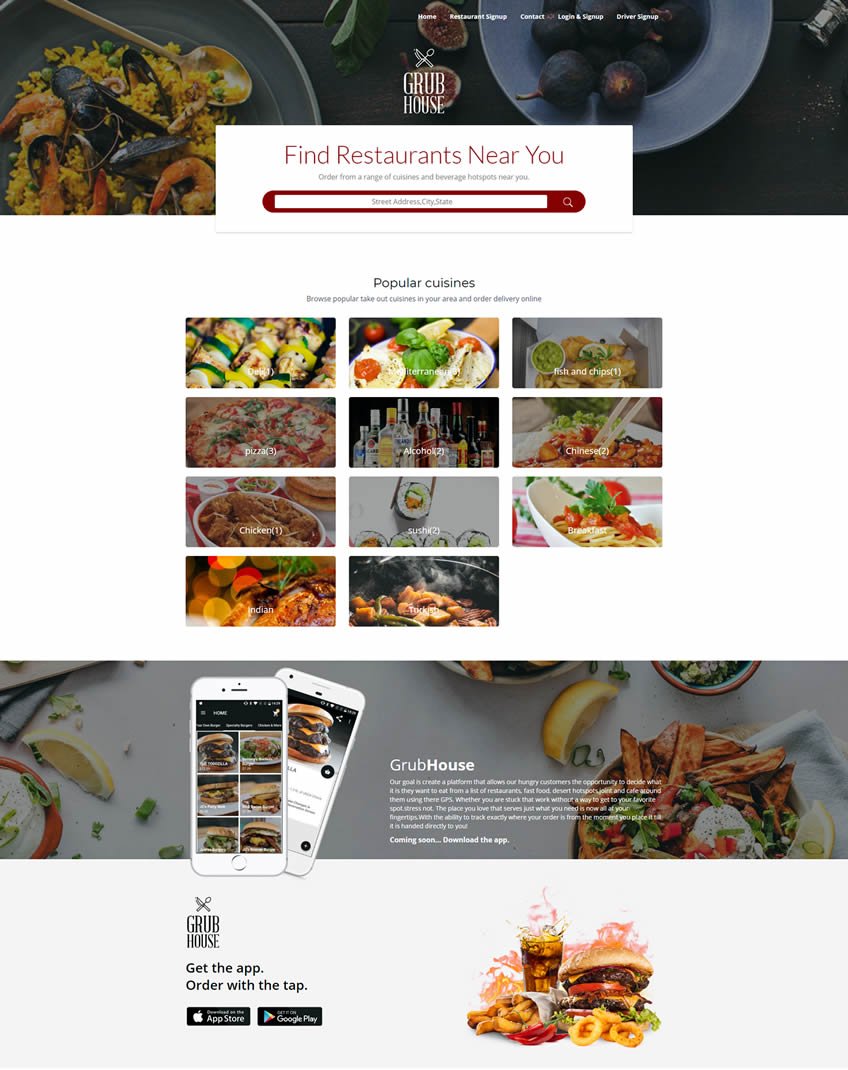



QR code is the best way to get the food menu on their portable program and go through the full menu with pictures and refreshed costs.