Why Restaurants Are Switching to Branded Ordering Apps

The restaurant industry is undergoing a seismic shift. In 2025, online ordering accounts for 68% of all takeout and delivery sales worldwide (NPD Group, 2025). Customers expect seamless digital experiences, from browsing menus on their phones to receiving real-time updates about their meals. Yet, most restaurants are still bleeding 20–35% of every order to third-party aggregators like UberEats, DoorDash, and Just Eat. These platforms dominate visibility but erode profitability with every swipe.
Smart operators are fighting back—with white label food ordering apps. These fully branded, customizable apps let restaurants own the customer relationship, cut commission costs, and boost profits by up to 40%. This isn’t just a trend—it’s a survival strategy in a hyper-competitive market. If you’re still relying on aggregator portals, you’re leaving money on the table. This in-depth guide explores why restaurants are switching to white label food ordering apps, how they work, real success stories, and how you can launch yours in under 30 days—without coding.
What Is a White Label Food Ordering App?
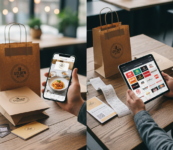
A white label food ordering app is a ready-made, fully customizable mobile and web platform that restaurants rebrand as their own. Developed by a third-party provider, it comes pre-loaded with enterprise-grade features designed specifically for the food industry. It’s not a generic template—it’s a complete ecosystem built on modern tech stacks like React Native and Node.js. This ensures smooth performance across devices, from the latest iPhone to budget Android phones.
The app includes:
- Menu management with real-time updates
- Online payments via Stripe, PayPal, or local gateways
- Order tracking with live ETA
- Push notifications powered by Firebase
- Loyalty programs with gamification
- Analytics dashboard with heatmaps and churn prediction
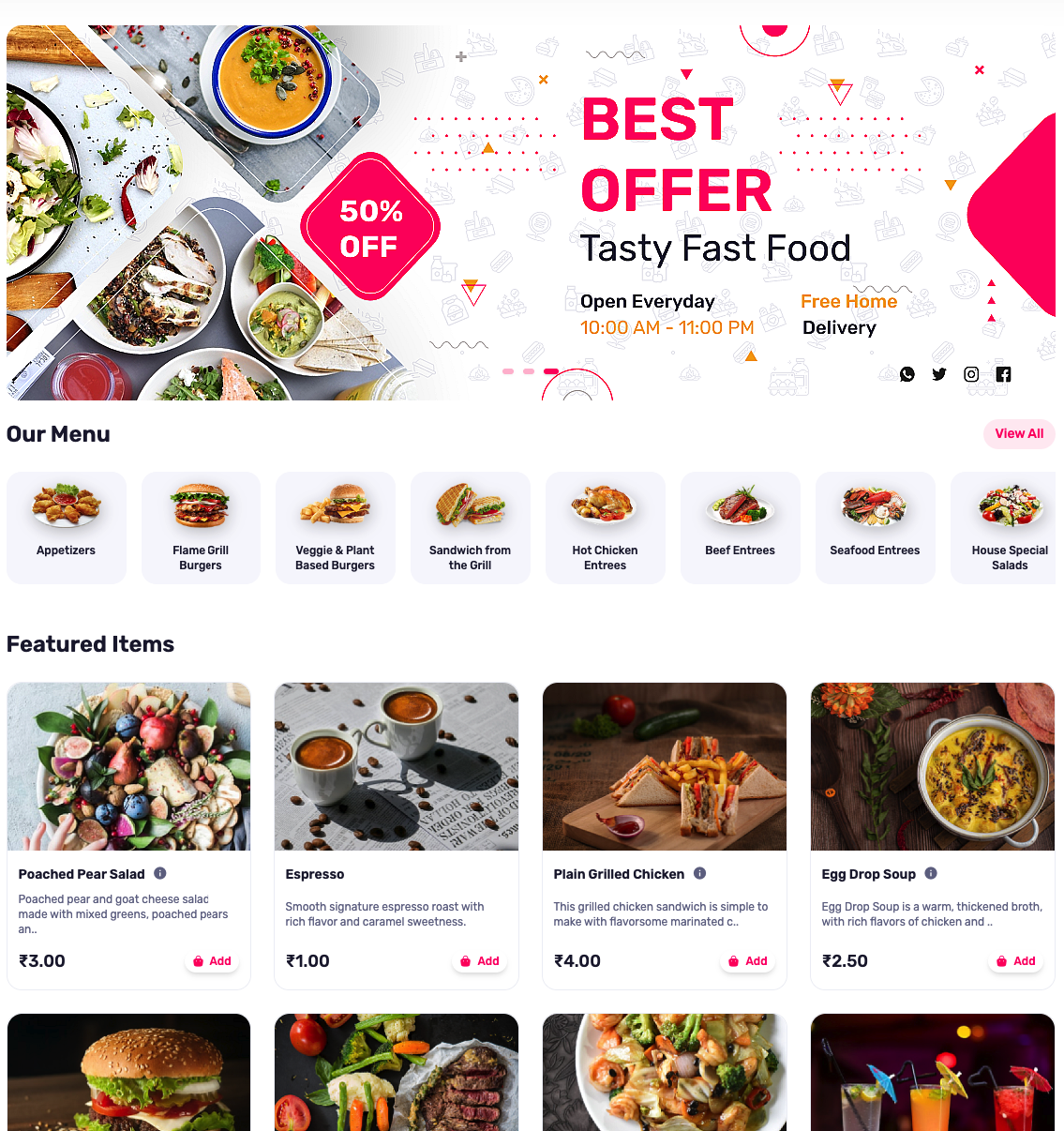
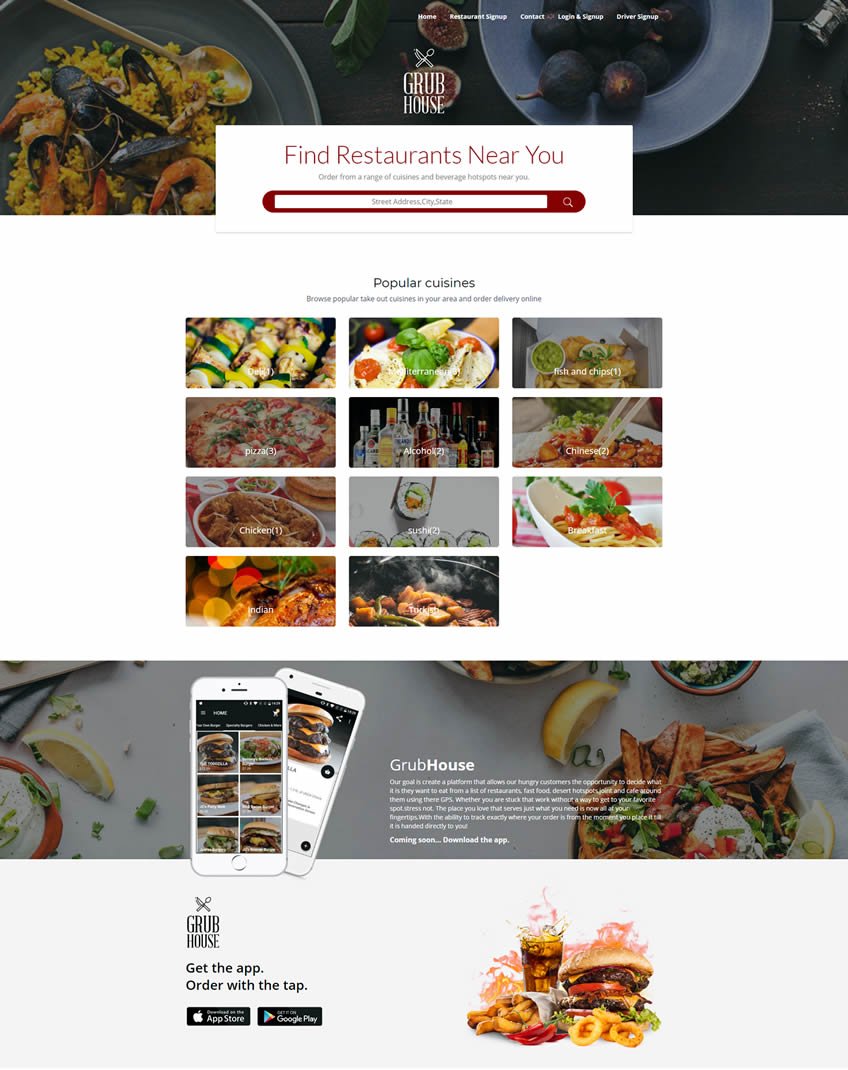
Unlike generic aggregator apps, a white label food ordering app displays your logo, colors, and domain—e.g., order.pizzapalace.com or the Pizza Palace App on iOS/Android. It’s fully compliant with global privacy standards like GDPR, ensuring data security for all customers. You’re not renting space on someone else’s platform—you’re building your own digital storefront.
Key Benefit: You control the entire customer journey—no more competing with 50 other restaurants on a single screen. Every interaction reinforces your brand, not DoorDash.
The Hidden Costs of Third-Party Aggregators
Let’s do the math:
| Order Value | Aggregator Commission (30%) | Your Profit (After Food Cost & Labor) |
|---|---|---|
| $50 | $15 | $10 (before commission) → -$5 loss |
Now multiply by 1,000 orders/month: $15,000 in lost revenue. That’s enough to hire two full-time staff or upgrade your kitchen equipment. But the damage goes deeper—especially in competitive Western markets where customer loyalty is hard-won and easily lost:
| Problem | Impact |
|---|---|
| High commissions | 20–35% per order—often higher during peak times |
| No customer data | Can’t remarket or build loyalty; privacy laws block access |
| Brand dilution | Customers associate you with DoorDash, not your unique vibe |
| Price control loss | Aggregators set discounts, hurting margins on premium dishes |
| Delayed payouts | Restaurants wait 7–14 days for funds—cash flow nightmare |
A 2025 Restaurant Dive survey found 73% of operators want to reduce aggregator dependency. In Western markets, 82% of independent restaurants report feeling “trapped” by platform fees. Enter the white label food ordering app—the antidote to platform lock-in.
7 Reasons Restaurants Are Switching to White Label Food Ordering Apps
1. Zero Commission Fees = Higher Profits
With your own white label food ordering app, you pay only transaction fees (1.5–3% via Stripe/PayPal)—not 30%. That’s $12–$14 saved per $50 order. For a restaurant doing $200,000 in annual delivery, that’s $48,000–$56,000 back in your pocket. Use it to source better ingredients, reward staff, or expand to a second location.
Real Example: A mid-sized Italian chain saved $84,000 annually after switching from Just Eat to their branded app. They reinvested in a wood-fired oven—customers noticed the difference.
2. Full Customer Data Ownership
Every order builds your CRM—fully privacy-compliant:
- Email & phone (with consent)
- Order history with preferences
- Favorite items (e.g., “extra cheese”)
- Delivery addresses with geofencing
Use this for:
- Birthday freebies via SMS
- Abandoned cart recovery (“Your pizza is waiting!”)
- Personalized upsell campaigns (“You loved the burger—try the truffle fries?”)
Result: 3x higher repeat order rate vs. aggregator users. In privacy-conscious markets, customers trust restaurants that respect their data.
3. 100% Brand Control
Your app = your rules. No more aggregator-mandated discounts:
- Set your own promotions (e.g., “Lunch Combo”)
- Highlight signature dishes with 4K photos
- Design seasonal menus (summer salads, holiday specials!)
- Run flash sales at 3 PM when the kitchen is quiet
No more “$5 off” deals you never approved. You decide when your margherita pizza goes on sale.
4. Direct Push Notifications
Reach customers instantly—no algorithm throttling:
- “Your order is ready for pickup!”
- “New truffle pizza launched—first 50 get 20% off!”
- “Double loyalty points today only”
Open rates? 90%+ vs. 2% for email. 78% of users enable push when offered a $5 welcome bonus.
5. Seamless Integration with POS & Operations
Top white label food ordering apps sync with leading systems:
- Square
- Toast
- Lightspeed
- Clover
Orders flow straight to the kitchen printer. No double-entry. No errors. Staff see “Table 7 – Extra Sauce” in real time. Reduce mistakes by 85%.
6. Build Loyalty That Sticks
Embed rewards tailored to local tastes:
- Buy 5 coffees → 1 free (with digital stamp card)
- Spend $100 → $10 credit
- VIP early access to new menu items
Loyalty members spend 67% more (Bond Brand Loyalty, 2025). Turn one-time customers into weekly regulars.
7. Future-Proof with Omnichannel
Modern white label food ordering apps support every touchpoint:
- Online ordering via app or browser
- In-store QR code menus (perfect for patios)
- Kiosk ordering for fast service
- Voice ordering via Alexa/Google (coming 2026)
- Apple Watch notifications (“Your driver is 2 min away”)
One platform. Every channel. No silos.
How a White Label Food Ordering App Works: Step-by-Step
Phase 1: Setup (1–2 Weeks)
- Choose provider with local support
- Upload logo, colors, menu (CSV/PDF import)
- Connect payment gateway (Apple Pay, Google Pay, Klarna)
- Link POS system (automatic syncing)
- Customize app UI (no code—drag-and-drop)
Phase 2: Launch (Week 3)
- Submit to App Store & Google Play (provider handles compliance)
- Launch PWA (instant web access—no download needed)
- Print QR codes for tables (weatherproof for outdoor seating)
- Train staff (30-minute dashboard tour)
Phase 3: Grow (Ongoing)
- Send “Download our app” SMS to existing customers (opt-in only)
- Offer $10 off first app order
- Run Instagram Reels showing the app in action
- Track ROI via built-in analytics (filter by zip code)
White Label vs. Aggregator vs. Custom App: The 2025 Comparison
| Factor | White Label Food Ordering App | Aggregator (DoorDash) | Custom-Built App |
|---|---|---|---|
| Cost | $99–$499/month | 20–35% per order | $50K–$150K |
| Launch Time | 2–4 weeks | Instant | 6–12 months |
| Branding | 100% yours | Shared | 100% yours |
| Customer Data | Full ownership (GDPR) | None | Full ownership |
| Commissions | 0% | 20–35% | 0% |
| Maintenance | Provider handles | N/A | Your team |
| Best For | 95% of restaurants | Testing waters | Large chains |
Winner for most: White label food ordering app—especially in fast-moving Western markets where speed-to-market and compliance are non-negotiable.
Real Restaurants Winning with Branded Apps
Case Study 1: Burger Barn (US)
- Problem: Losing $3,200/month to DoorDash
- Solution: Launched Burger Barn App via white-label in 18 days
- Results:
- 62% of orders shifted to app in 90 days
- $41,000 saved in commissions (Year 1)
- 2,800 loyalty members
- Average order value: $38 (vs. $29 on aggregators)
“We finally own our customers. The app paid for itself in 6 weeks.” – Anna K., Owner
Case Study 2: Sushi Samba (UK)
- Used QR codes on tables → 40% of dine-in guests downloaded
- Average order value via app: $42 vs. $31 on aggregators
- Repeat rate: 71%
- Launched Sushi & Sake Night promo—$12K extra revenue
Essential Features of a Top White Label Food Ordering App
| Feature | Why It Matters |
|---|---|
| Real-time order sync | No missed orders during dinner rush |
| Dynamic menu scheduling | Hide breakfast after 11 AM; enable brunch on weekends |
| Allergen & dietary filters | Boost trust and inclusivity |
| Offline mode (PWA) | Works in spotty Wi-Fi areas |
| Multi-language support | English, Spanish, French, etc. |
| AI upsell prompts | “Add fries?” → +18% AOV |
| Thermal printer integration | Auto-print in kitchen—supports EPSON, Star |
How to Choose the Right White Label Food Ordering App Provider
Avoid rookie mistakes. Ask:
- Do you handle App Store submission and privacy compliance?
- Is the app React Native or outdated? (Demand v18+)
- Can I export customer data anytime? (CSV + JSON)
- What’s the uptime SLA? (Demand 99.9% with regional servers)
- Are updates free? (Monthly releases)
- Do you support my POS? (Toast, Square, etc.)
Red flags: Hidden fees, long contracts, “custom coding required”, non-regional servers.
The Future of Restaurant Ordering Apps (2026–2030)
| Trend | Impact |
|---|---|
| Voice & chat ordering | “Hey Siri, order my usual” → 30% faster |
| AR menu previews | Point phone at table → see dish in 3D |
| Drone delivery alerts | Live ETA in app (US/UK trials 2026) |
| NFT loyalty drops | Digital rewards for top customers |
| Zero-waste pre-orders | Reduce food waste by 25% |
Choose a white label food ordering app that updates monthly—not one frozen in 2023.
Step-by-Step: Launch Your Branded App in 30 Days
| Week | Action |
|---|---|
| 1 | Research providers, book demos (ask for local references) |
| 2 | Upload menu, branding, connect POS |
| 3 | Test ordering flow, train staff |
| 4 | Launch + promote ($10 off first order via SMS) |
Budget: $2,000–$5,000 total (setup + first 3 months)
Common Myths Debunked
| Myth | Truth |
|---|---|
| “Customers won’t download my app” | 67% prefer branded apps when offered $5 off |
| “It’s too technical” | Drag-and-drop. No coding. |
| “Only big chains can afford it” | Starts at $99/month |
| “I’ll lose aggregator visibility” | SEO + SMS marketing drives more traffic |
Your 30-Day Branded App Launch Checklist
- [ ] Selected white-label provider with local support
- [ ] Prepared high-res menu photos (min. 1200px)
- [ ] Connected Stripe/PayPal + local gateways
- [ ] Designed $10 off welcome offer
- [ ] Printed table QR codes (A6, waterproof)
- [ ] Trained staff on dashboard (video tutorials)
- [ ] Planned launch SMS blast (opt-in only)
Tick all? You’re ready.
Conclusion: The Future Is Branded
In 2025, relying on aggregators is optional. A white label food ordering app isn’t a luxury—it’s a profit protection strategy for restaurants facing rising costs and fierce competition.
- Save 25–35% per order
- Own your customers
- Build a moat around your brand
- Stay compliant with privacy laws
The switch is happening now. From burger joints to fine-dining—all are going branded.
Don’t get left behind.
Launch Your White Label Food Ordering App with foodappsco.com
foodappsco.com powers white label food ordering apps for 1,200+ restaurants across Western markets—with native English support and regional servers. Our platform includes:
- Branded iOS, Android & Web apps (PWA included)
- Zero-code customization – update menu in 2 clicks
- POS integration (Toast, Square, Lightspeed, Clover)
- Loyalty & push notifications (privacy-compliant)
- 24/7 English-speaking support (phone, chat, email)
- App Store submission included (compliance-ready)
- Launch in 14–28 days
Average client ROI: 4.5 months
Get your branded app live in 48 hours (demo)
🌐 www.foodappsco.com
📧 [email protected]