What is White-Label Food Delivery App and How Does It Work?
In the fast-paced world of on-demand services, food delivery has become a staple for millions of hungry customers worldwide. With the global online food delivery market projected to reach $320 billion by 2029, restaurants, cloud kitchens, and entrepreneurs are racing to carve out their slice of this lucrative pie. But building a custom food delivery platform from scratch? That’s a recipe for high costs, lengthy development times, and potential headaches. Enter the white label food delivery app—a game-changer that’s revolutionizing how businesses launch their own branded delivery services quickly and affordably.
If you’re a restaurant owner wondering, “What is a white-label food delivery app?” or how it can streamline your operations, this comprehensive guide is for you. We’ll break down everything from the basics to the inner workings, benefits, and real-world applications. By the end, you’ll see why a white label food delivery app is the smart choice for scaling your business in 2025 and beyond. Let’s dive in!
Understanding the Basics: What is White-Label Food Delivery App?
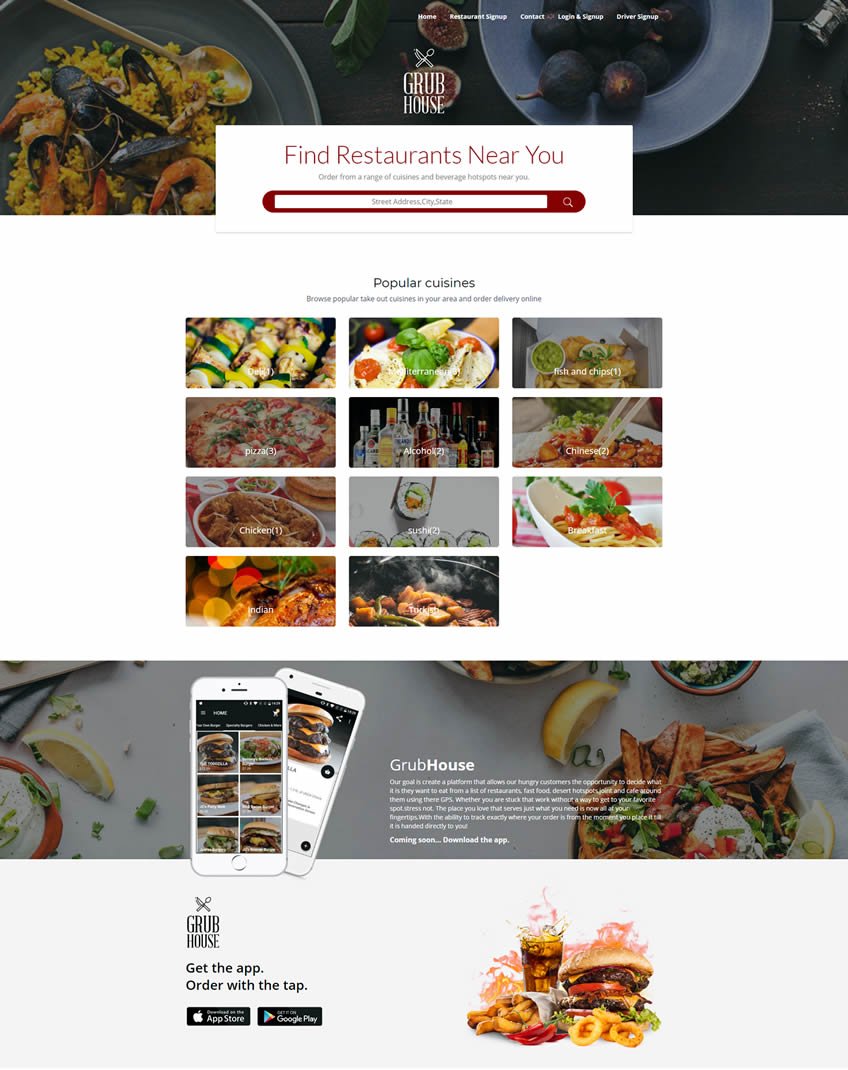
At its core, a white label food delivery app is a ready-made software solution developed by a third-party provider and sold to businesses for rebranding as their own. Think of it like a blank canvas: the underlying technology, features, and infrastructure are all built-in, but you slap on your logo, colors, and customizations to make it feel uniquely yours.
Unlike generic apps like Uber Eats or DoorDash, which operate as marketplaces connecting multiple restaurants under one roof, a white-label solution is tailored for a single brand or a network of partners. It’s “white label” because it’s unbranded at purchase—much like generic products in retail that get relabeled for different stores.
Key Characteristics of a White-Label Food Delivery App
- Pre-Built Functionality: Includes core features like user registration, menu browsing, order placement, real-time tracking, and payment integration—saving you months of development.
- Branding Flexibility: Customize the app’s UI/UX, domain, and notifications to align with your brand identity.
- Scalability: Handles growth from local deliveries to city-wide operations without rebuilding from the ground up.
- Multi-Platform Support: Typically available for iOS, Android, and web, ensuring broad accessibility.
In essence, a white label food delivery app democratizes access to advanced tech, allowing small to medium-sized enterprises (SMEs) to compete with giants without breaking the bank. According to Statista, over 60% of new food delivery startups in 2024 opted for white-label models to accelerate market entry.
How Does a White-Label Food Delivery App Work?
The magic of a white label food delivery app lies in its seamless, end-to-end workflow. It’s designed to mimic the user experience of top-tier apps while operating under your control. Here’s a step-by-step breakdown of how it functions:
Step 1: Onboarding and Setup
Once you partner with a white-label provider, the setup kicks off with rapid customization. You upload your branding assets (logos, color schemes, fonts) and integrate your restaurant’s menu data via APIs. Most providers offer a dashboard for non-technical users to tweak layouts without coding. This phase typically takes 2-4 weeks, compared to 6-12 months for custom development.
Step 2: User Acquisition and Registration
Customers download your branded app from the App Store or Google Play. Upon opening, they create accounts using email, phone, or social logins. The app’s intuitive design—powered by responsive frameworks like React Native—ensures a smooth experience across devices.
Step 3: Browsing and Ordering
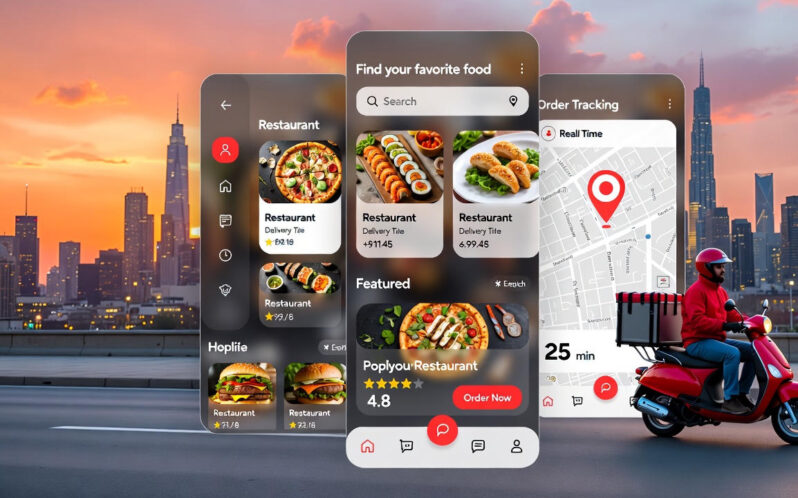
Hungry users browse your curated menu with high-res photos, descriptions, and filters (e.g., vegetarian, gluten-free). AI-driven recommendations suggest personalized items based on past orders. Placing an order is a breeze: select items, add to cart, choose delivery/pickup, and apply promo codes. Backend algorithms calculate real-time pricing, including taxes and delivery fees.
Step 4: Payment Processing and Confirmation
Secure gateways like Stripe or PayPal handle transactions, supporting cards, digital wallets, and even crypto in advanced setups. Once paid, the order pings your kitchen’s POS system instantly. Customers receive push notifications confirming the order and estimated prep time.
Step 5: Delivery and Tracking
This is where the rubber meets the road. The app integrates with GPS for live tracking—riders (your in-house fleet or third-party like Uber) get dispatched via route-optimized algorithms. Users watch their meal’s journey on a dynamic map, with ETAs updated in real-time. Features like “rider chat” allow direct communication for special instructions.
Step 6: Post-Delivery Analytics and Feedback
After delivery, the app prompts ratings and reviews, feeding into a centralized analytics dashboard. You gain insights on peak hours, popular dishes, and churn rates, enabling data-driven tweaks. Automated refunds or loyalty rewards keep customers coming back.
Under the hood, a white label food delivery app relies on cloud infrastructure (e.g., AWS or Google Cloud) for reliability, with microservices ensuring uptime above 99.9%. Security layers like GDPR compliance and end-to-end encryption protect data, making it enterprise-ready.
The Advantages of Choosing a White-Label Food Delivery App
Why go white-label over building your own? The perks are too good to ignore, especially in a competitive landscape where speed is everything.
Cost-Effectiveness
Custom apps can cost $50,000-$200,000 to develop, plus ongoing maintenance. A white label food delivery app? Often under $10,000 upfront, with subscription fees as low as $99/month. This slashes ROI timelines from years to months.
Speed to Market
Launch in weeks, not months. In 2025’s volatile economy, being first-mover in your locale can capture 30-50% more market share, per McKinsey reports.
Customization Without Complexity
While fully customizable, white-label apps avoid the pitfalls of bespoke coding. Add-ons like AR menu previews or voice ordering are plug-and-play.
Enhanced Customer Loyalty
Your branded app fosters direct relationships—no sharing commissions with aggregators. Push notifications for flash sales or birthday deals boost retention by up to 40%.
Operational Efficiency
Integrated tools like inventory management and demand forecasting reduce waste by 20-25%, streamlining everything from staffing to supplier orders.
For SMEs, these benefits translate to higher margins and happier teams. A 2024 survey by Food Institute found 78% of white-label adopters reported revenue growth within six months.
Essential Features of a Top-Tier White-Label Food Delivery App
Not all white-label solutions are created equal. Look for these must-haves to ensure your white label food delivery app stands out:
- Real-Time Order Management: Dashboards for monitoring orders, cancellations, and disputes.
- Multi-Vendor Support: If you’re scaling to a network, enable partner restaurants to join seamlessly.
- Advanced Analytics: Heatmaps for delivery zones, A/B testing for promotions.
- Integration Capabilities: Sync with CRM tools, loyalty programs, or even smart kitchen devices.
- Compliance and Security: PCI-DSS for payments, plus accessibility features for inclusivity.
Pro Tip: Opt for apps with AI chatbots for 24/7 support, reducing response times by 70%.
White-Label vs. Custom vs. Aggregator Models: A Quick Comparison
| Aspect | White-Label Food Delivery App | Custom-Built App | Aggregator Platforms (e.g., DoorDash) |
|---|---|---|---|
| Development Time | 2-4 weeks | 6-12 months | Immediate |
| Cost | Low ($5K-$20K initial) | High ($50K+) | Commission-based (20-30%) |
| Branding Control | Full | Full | Limited |
| Scalability | High, with add-ons | Unlimited, but costly | Dependent on platform |
| Data Ownership | Yours | Yours | Shared/Platform-owned |
| Best For | SMEs, quick launches | Enterprises with unique needs | Testing waters, low commitment |
As the table shows, a white label food delivery app strikes the perfect balance for most businesses—flexible, affordable, and future-proof.
Real-World Success Stories: White-Label Food Delivery Apps in Action
Take “TastyBites,” a chain of 15 urban eateries in Europe. Facing aggregator fees eating 25% of profits, they switched to a white-label solution in early 2024. Result? A 35% revenue spike in three months, thanks to direct customer data and targeted upsells.
Or consider “VeggieVault,” a vegan startup in Asia. With zero tech expertise, they launched via white-label in under a month, hitting 10,000 downloads and $150K in first-quarter sales. These stories underscore how white label food delivery apps level the playing field.
Future Trends Shaping White-Label Food Delivery Apps
Looking ahead to 2026, expect these innovations:
- AI Personalization: Predictive ordering based on habits, reducing cart abandonment by 15%.
- Sustainability Features: Carbon footprint trackers for eco-conscious deliveries.
- Metaverse Integration: Virtual dining experiences for immersive ordering.
- Blockchain for Transparency: Immutable order histories to build trust.
Providers are already embedding these, ensuring your white label food delivery app evolves with the industry.
Conclusion: Launch Your White-Label Food Delivery App Today
A white label food delivery app isn’t just software—it’s a strategic accelerator for your food business. From rapid deployment to robust features, it empowers you to delight customers, optimize operations, and drive sustainable growth. If you’re tired of high commissions and limited control, it’s time to white-label your way to success.
Ready to get started? At foodappsco.com, we specialize in turnkey white label food delivery app solutions tailored for restaurants and entrepreneurs. Our services include:
- Customizable app development with unlimited branding options.
- Seamless integrations for payments, POS, and analytics.
- 24/7 support and scalable hosting for global reach.
- Proven ROI: Clients see up to 40% efficiency gains in the first year.
Visit us at www.foodappsco.com or drop a line to [email protected] for a free consultation. Let’s cook up something amazing together!