How to Launch a DoorDash Clone App: Step-by-Step Guide for Entrepreneurs
- 18.02.2026
- By: Foodappsco
The Booming Opportunity for DoorDash Clone Apps in 2026
The online food delivery sector remains one of the fastest-growing industries worldwide. In 2025, the global online food delivery market was valued at approximately USD 320 billion, with projections showing growth to around USD 351 billion in 2026 and continuing upward to over USD 700 billion by 2034 at a CAGR of about 9.6%. In the US, DoorDash holds a commanding 60-68% market share, dominating suburban and urban deliveries alike. Europe follows with strong urban adoption, contributing around 27% of global share, fueled by high smartphone penetration and demand for convenient, on-demand services.
For entrepreneurs in Western markets (US, Canada, Europe, Australia), launching a hyper-local or niche DoorDash clone offers massive potential. Big platforms charge restaurants 15-30% commissions, leaving room for independents to offer lower rates (8-15%) while capturing loyal users in mid-size cities where competition is weaker. Building from scratch can cost $100,000–$300,000+ and take 6–18 months, but using a ready-made food delivery marketplace solution slashes time and expense, enabling launch in weeks with full ownership, white-label apps, and lifetime support.
This comprehensive guide covers every step, from market validation to scaling, with real-world data, comparisons, and practical tips for 2026 success.
Understanding the DoorDash Business Model and Your Clone’s Edge
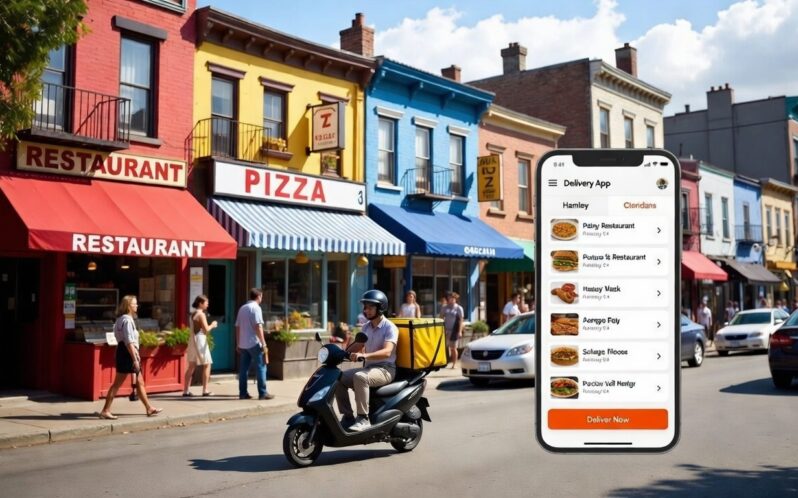
DoorDash functions as a multi-vendor platform: customers browse restaurants, place orders, and track deliveries in real-time via driver partners. Revenue comes from commissions, delivery fees, premium subscriptions (DashPass), and advertising. Your clone replicates this but gives you control: customize commissions, add unique features like table reservations or loyalty rewards, and avoid perpetual fees to aggregators.
Key advantages for independents include 100% brand ownership, no ongoing SaaS drain (unlike many competitors), and flexibility for niches (e.g., eco-friendly, office catering, or regional cuisines in Europe). In mid-size cities (50k–500k population), where DoorDash presence is lighter, you can build loyalty quickly with faster payouts to restaurants and better driver incentives.
Current Market Potential and Realistic Revenue Projections
The market’s growth is driven by urbanization, busy lifestyles, and tech adoption. Conservative projections for a new entrant:
| Metric | Conservative (Year 1) | Stabilized (Year 2+) |
|---|---|---|
| Active Restaurants | 30 | 50+ |
| Average Order Value | $30 | $30 |
| Daily Orders per Restaurant | 8 | 12 |
| Commission Rate | 8-12% | 8-12% |
| Monthly Revenue (26 days) | $14,976–$22,464 | $28,080–$46,800 |
At conservative levels, a $2,999–$5,000 investment recovers in 1–3 months. Scale to 100 restaurants for six-figure monthly revenue, especially in underserved Western cities.
Step 1: Conduct Thorough Market Research and Select Your Niche
Begin with location analysis. Use Google Trends, local surveys, and tools like Yelp or Google Maps to spot gaps. In the US, focus on suburbs or Tier-2 cities; in Europe, target urban areas with high delivery demand but high aggregator fees. Identify niches: sustainable options, halal/kosher, healthy meals, or office lunch bundles.
Interview 20–50 local restaurants and potential users to validate demand. Define your USP: lower commissions, faster restaurant payouts, superior driver tools, or integrations like POS/thermal printers. This research ensures your clone fits real needs rather than copying DoorDash blindly.
Step 2: Choose the Right Development Path – Custom vs. Clone Script
Custom development offers full control but is expensive and slow. Clone scripts provide speed and affordability.
| Approach | Cost (2026 Est.) | Time to Launch | Customization Level | Ongoing Costs | Best Suited For |
|---|---|---|---|---|---|
| Full Custom Build | $100,000–$300,000+ | 6–18 months | Complete | Maintenance team | Large funded ventures |
| Ready Clone Script/Solution | $2,000–$10,000 one-time | 2–8 weeks | High (white-label) | Minimal (lifetime updates) | Entrepreneurs/SMBs |
| SaaS Alternatives | $100–$500/month | Immediate | Limited | Recurring fees | Quick testing only |
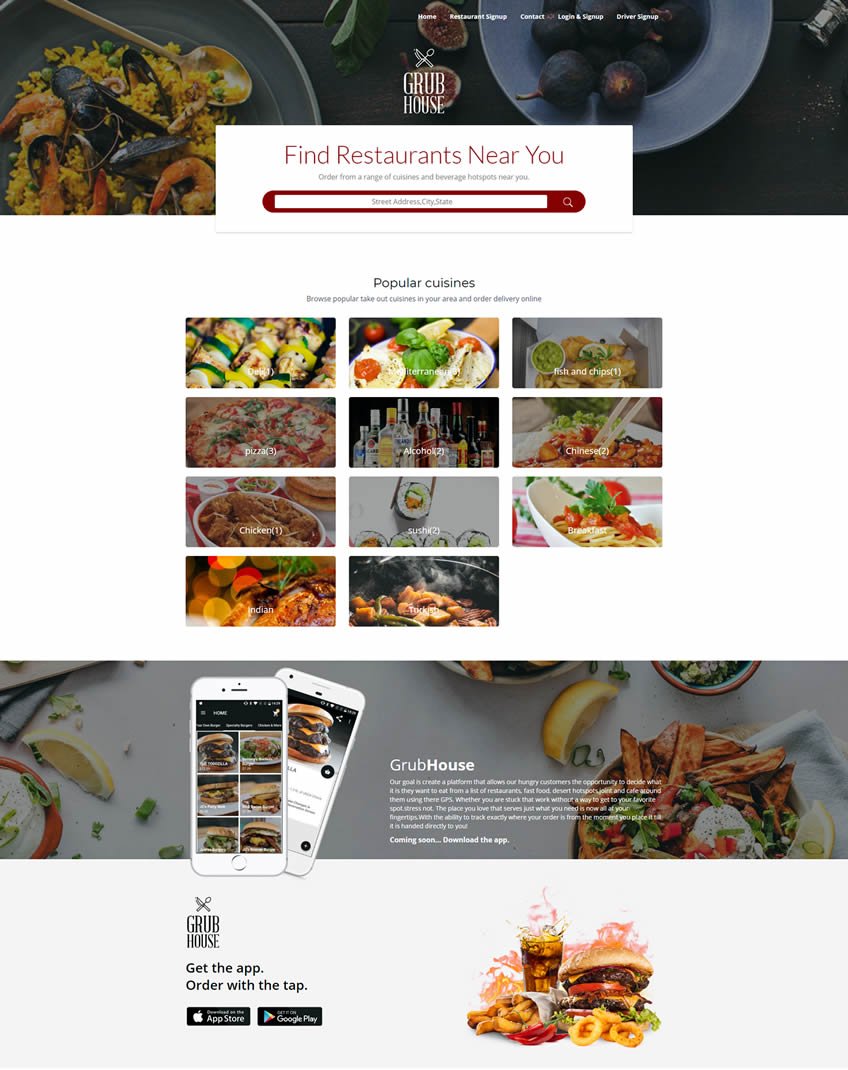
A robust food delivery marketplace solution delivers native iOS/Android apps, PWA, full white-label branding, multi-vendor support, and lifetime priority help — perfect for Western launches without breaking the bank.
Step 3: Essential Features for a Competitive DoorDash Clone
Your app must include core and advanced features to compete:
- Customer Side: GPS-based search, real-time tracking, push notifications, wallet, loyalty points, guest checkout, saved payments, dark mode, multi-language.
- Restaurant Panel: Order management, kitchen display, POS integration (Sunmi V2, ESC/POS printers), inventory, auto-printing, sales reports.
- Driver App: Auto-assign nearest driver, navigation, earnings dashboard, real-time updates.
- Admin/Master Panel: Commission settings, multi-location/language support, analytics, user management.
- Advanced: PWA (no app store needed), table/pickup reservations, refunds to wallet, advertising banners, subscription plans for restaurants.
Prioritize GDPR compliance in Europe and seamless Stripe/PayPal integrations.
Step 4: Technical Setup, Hosting, and Integrations
Setting up the technical foundation for your DoorDash clone is crucial for ensuring smooth performance, scalability, and user satisfaction. This step involves selecting reliable hosting, configuring the backend, and integrating essential third-party services. Opt for cloud-based solutions to handle varying traffic loads, especially during peak hours like lunch or dinner rushes in Western cities. A well-chosen food delivery marketplace solution often comes with built-in tools to simplify this process, including server requirements and API keys setup guides. Start small but plan for growth: monitor resource usage and upgrade as your user base expands.
- Choose scalable cloud hosting providers like AWS, DigitalOcean, or Google Cloud Platform, beginning with a VPS plan featuring 4–8GB RAM, 2–4 CPU cores, and SSD storage for fast data access. These options offer auto-scaling features to manage sudden spikes in orders, with costs starting at $10–50/month initially, ensuring your app remains responsive even in high-demand areas like European urban centers.
- Configure the backend using Node.js for real-time features or PHP for robust e-commerce handling, paired with databases like MySQL for structured data or PostgreSQL for advanced geospatial queries in delivery tracking. Integrate caching tools like Redis to speed up frequent requests, reducing load times to under 2 seconds for better user retention.
- Incorporate essential APIs such as Firebase for push notifications and SMS alerts, Google Maps or Mapbox for accurate location tracking and route optimization, and payment gateways like Stripe or PayPal for secure transactions. Many ready-made solutions provide one-click integrations, including assisted installation services to avoid common pitfalls like API key mismatches or firewall issues.
Step 5: Onboarding Restaurants, Drivers, and Initial Operations
Onboarding is the bridge between your technical setup and real-world operations, focusing on building a network of partners to fuel your platform’s launch. Aim to start with a manageable number of restaurants and drivers to test workflows before scaling. Provide user-friendly tools and incentives to encourage sign-ups, while ensuring compliance with local regulations. A comprehensive food delivery marketplace solution typically includes dedicated panels for easy management, such as merchant apps with auto-printing for orders. Monitor early operations closely to refine processes, like delivery times and order accuracy, for positive initial reviews.
- Launch with 10–30 restaurants by offering incentives like free onboarding, waived setup fees, or reduced commissions (e.g., 5% for the first three months) to attract partners quickly. Create simple signup forms with document uploads for verification, and provide virtual training sessions via Zoom to familiarize them with the order management app, kitchen display, and inventory tools.
- For drivers, implement a streamlined verification process including ID checks, vehicle details, and optional background screenings to meet local regs in the US or Europe. Offer weekly payouts through integrated wallets or bank transfers, along with bonuses for high completion rates, to boost retention and ensure reliable service from day one.
- Utilize auto-assign logic based on GPS proximity and availability to minimize wait times, pairing it with real-time tracking for transparency. Set up initial operations with a command center dashboard for admins to oversee orders, resolve disputes, and analyze early data like average delivery times to optimize routes and reduce operational hiccups.
Step 6: Legal, Payment, and Compliance Essentials
Navigating legal and compliance aspects protects your business from risks and builds trust with users, restaurants, and drivers. This step requires registering your entity, drafting clear agreements, and ensuring data security. In Western markets, regulations vary by region—focus on privacy laws in Europe and consumer protection in the US. Integrate secure payment systems early to handle transactions smoothly. A reliable food delivery marketplace solution often includes templates for terms and built-in compliance features, like GDPR-ready data handling, to streamline this phase.
- Register your business as an LLC or equivalent in your country, obtaining necessary licenses for food delivery operations, and secure liability insurance covering accidents or food safety issues. Draft comprehensive terms of service for customers, restaurants, and drivers, including dispute resolution clauses, using legal templates or consulting a lawyer to avoid future liabilities.
- Integrate PCI-compliant payment gateways such as Stripe for cards, PayPal for global reach, and Apple/Google Pay for mobile convenience, enabling features like saved methods and instant refunds to wallets. Test transactions thoroughly to ensure seamless processing, with fraud detection tools to minimize chargebacks in high-volume markets.
- In Europe, prioritize GDPR compliance by implementing data consent forms, secure storage, and user rights for data access/deletion; in the US, adhere to state-specific delivery laws like alcohol handling or vehicle requirements. Conduct regular audits and use encrypted connections (HTTPS) to maintain trust and avoid fines from regulatory bodies.
Step 7: Testing, Soft Launch, and Initial Marketing Strategies
Testing and launching mark the transition from development to live operations, where you validate your app’s functionality and gather real feedback. Conduct thorough tests to catch bugs, then soft-launch in a limited area to iron out issues. Pair this with targeted marketing to drive initial users. Budget wisely for sustainable growth, focusing on cost-effective channels. An advanced food delivery marketplace solution supports this with built-in analytics for monitoring launch performance, helping you refine based on early data.
- Perform end-to-end testing covering order placement, restaurant acceptance, driver assignment, real-time tracking, payments, and refunds, using tools like Postman for API checks and emulators for app simulations. Involve beta testers from your target audience to identify usability issues, aiming for 99% uptime and quick resolutions to build confidence.
- Execute a soft launch in one city or neighborhood, limiting promotions to control volume, and monitor metrics like app crashes or delivery delays with tools like Google Analytics. Gather feedback via in-app surveys to make immediate tweaks, ensuring a polished experience before full rollout.
- Allocate a $500–$3,000 monthly marketing budget for local SEO (optimizing for “food delivery [city]” keywords), targeted Facebook/Google Ads to food enthusiasts, and partnerships with restaurants for co-promotions. Implement referral programs offering free delivery credits, and run social media campaigns emphasizing lower fees and local focus to attract early adopters.
Step 8: Post-Launch Growth, Optimization, and Scaling
After launch, shift focus to growth by analyzing data, optimizing operations, and expanding strategically. Track key metrics to identify bottlenecks and opportunities. Introduce new features based on user input to stay competitive. Scale methodically to avoid overextension. With a solid food delivery marketplace solution, leverage built-in tools like sales reports and AI suggestions to drive efficiency, aiming for steady revenue increases in Western markets.
- Monitor KPIs such as daily orders, customer retention rates (target 60%+), customer acquisition cost (CAC under $20), and churn (below 10%) using integrated dashboards. Analyze trends weekly to spot issues like high abandonment rates and adjust pricing or features accordingly for sustained growth.
- Enhance the platform with AI-driven recommendations for personalized menus or dynamic promotions based on user behavior, and integrate feedback loops via reviews to update elements like adding more cuisines or optimizing delivery zones for faster service in suburban areas.
- Expand city-by-city once stable, starting with adjacent regions, by replicating successful onboarding strategies and investing in marketing. With consistent execution, target 50+ restaurants and reliable monthly revenue within 12–18 months, using scalable hosting to handle increased traffic without downtime.
Common Challenges and How to Overcome Them
Launching a food delivery app comes with hurdles, but proactive strategies can mitigate them. Common issues stem from operations, market dynamics, and technology. Prioritize reliable partnerships and ongoing support to navigate these. Choosing a provider with lifetime assistance, like a comprehensive food delivery marketplace solution, helps avoid pitfalls associated with low-cost alternatives that lack post-sale help.
- Driver retention challenges arise from competition and variable earnings; overcome by offering performance bonuses, flexible schedules, and tools like earnings trackers, while building a community through apps with feedback channels to improve satisfaction and reduce turnover rates below 20%.
- Intense competition from established platforms requires focusing on niches like eco-friendly or specialty cuisines; differentiate with lower commissions, superior local support, and targeted marketing to carve out a loyal user base in underserved mid-size Western cities.
- Scaling technology can lead to crashes or slow performance; select robust solutions with auto-scaling and lifetime updates, conduct regular stress tests, and partner with providers offering priority support to handle growth without interruptions or costly migrations.
Conclusion: Accelerate Your Success with a Proven Solution
Launching a DoorDash clone in 2026 positions you to capitalize on the thriving food delivery market, particularly in Western regions with opportunities for hyper-local innovation. By following this guide, from research to scaling, you can build a profitable, independent platform that avoids the pitfalls of high commissions and dependency on big aggregators. Embrace a complete food delivery marketplace solution featuring 100% white-label apps, multi-vendor capabilities, real-time tracking, POS integrations, and dedicated lifetime support to launch faster and grow sustainably. Don’t delay—request a demo today to dive into the platform’s features, explore customized revenue models, and kickstart your delivery business with the confidence of a turnkey system designed for entrepreneurial success.