How to Start a Multi-Restaurant Delivery Business from Scratch
- 20.11.2025
- By: Foodappsco
The food delivery industry is exploding, with the global online food delivery market projected to reach $505.50 billion by 2030, growing at a CAGR of 9.4% from 2025 onward (Grand View Research, 2025). Entrepreneurs and small business owners are jumping in to capture this opportunity by launching multi-restaurant platforms—think Uber Eats but localized and branded as your own. Starting from scratch might seem daunting, but with the right strategy, you can build a scalable operation earning $12,000+ per month in commissions alone. The key? Leveraging affordable food delivery marketplace apps cost solutions like white label food ordering website & mobile apps. These ready-made platforms let you skip months of custom development and launch quickly. In this step-by-step guide, we’ll cover market insights, setup essentials, cost breakdowns, revenue models, and growth tips. Whether you’re in a bustling city or suburban area, discover how white label food delivery apps can help you start making $12,000+ per month without breaking the bank.
Understanding the Multi-Restaurant Delivery Business Model
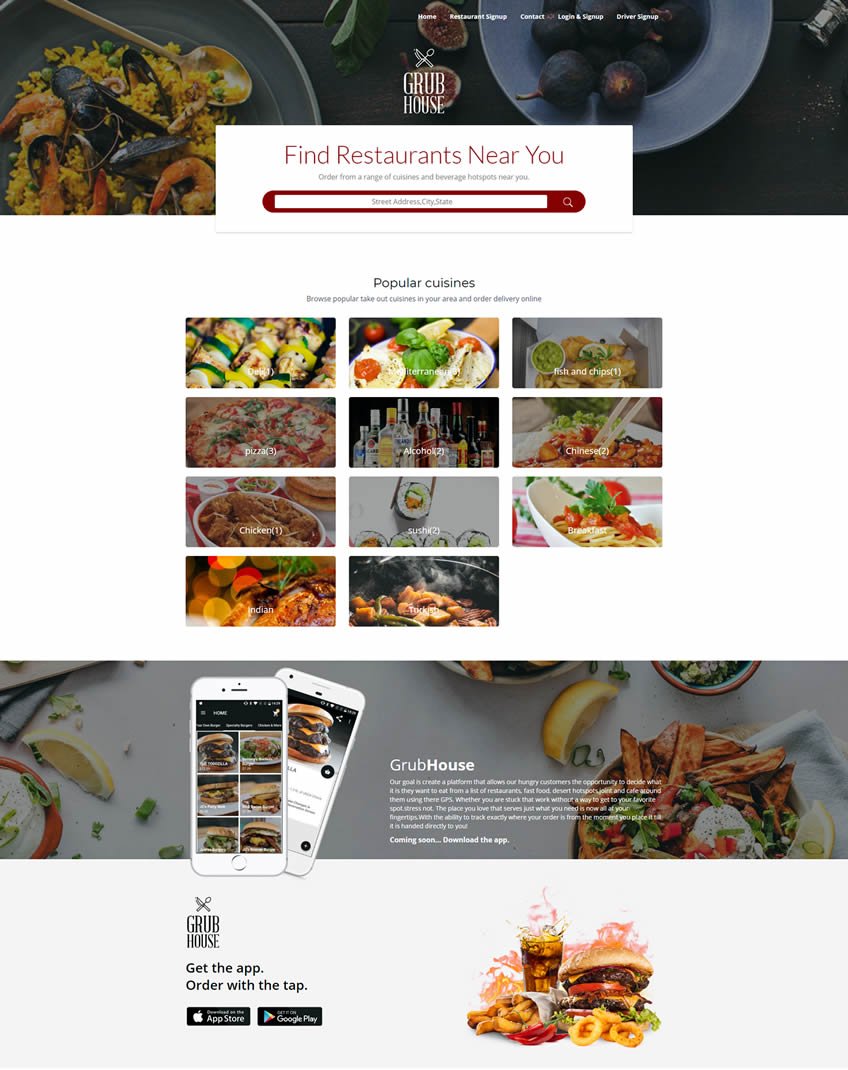
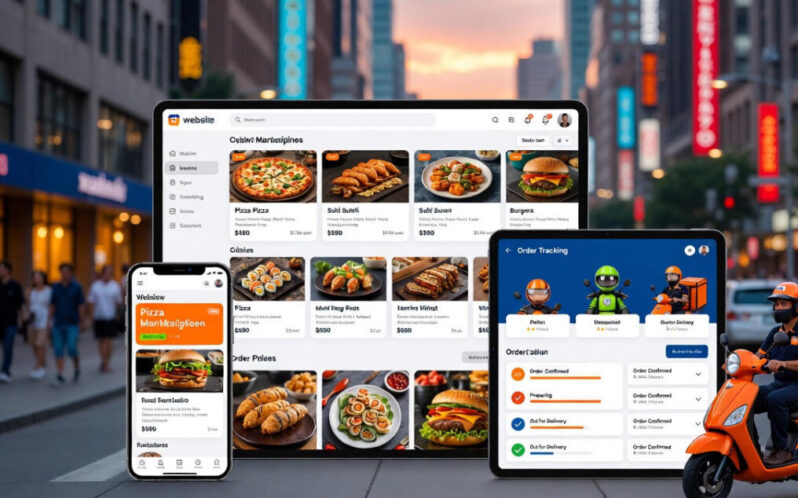
A multi-restaurant delivery business connects customers, eateries, and drivers through a centralized app or website. You act as the marketplace, earning commissions on every order while providing seamless logistics. Unlike single-restaurant apps, this model scales by onboarding multiple partners, creating network effects that drive volume. In 2025, with 52.6% user penetration in meal delivery in the US alone (Statista), the timing is perfect for newcomers. Focus on niches like healthy eats, ethnic cuisine, or eco-friendly deliveries to stand out. Success hinges on user-friendly tech, reliable operations, and smart marketing— all achievable with white label food ordering website & mobile apps.
Core Elements of the Model
- Customer App/Web: Browsing menus, placing orders, tracking deliveries
- Restaurant Dashboard: Menu uploads, order management, analytics
- Driver App: GPS navigation, proof of delivery, earnings tracking
- Admin Panel: Commission controls, payouts, dispute resolution
| Component | Purpose | Tech Requirement |
|---|---|---|
| Customer Interface | Order placement | Mobile/web responsive |
| Restaurant Tools | Inventory sync | Real-time notifications |
| Driver Features | Route optimization | GPS integration |
| Payments | Secure transactions | Stripe/PayPal gateways |
Step 1: Validate Your Idea and Conduct Market Research
Before investing, ensure demand exists in your area. Analyze local competition—DoorDash dominates urban zones, but suburbs and small towns are underserved. Survey potential customers via social media or tools like Google Forms: What frustrates them about current apps? Use free resources like Google Trends to spot rising searches for “food delivery near me.” Target a 10-20 mile radius initially to manage logistics. With the US online food delivery market hitting $31.91 billion in 2024 and growing to $74.03 billion by 2033 (ResearchAndMarkets, 2025), niches like vegan or late-night options can yield quick wins. Budget $500–$1,000 for basic research tools and focus groups.
Quick Validation Checklist
- Identify 5–10 underserved cuisines in your zip code
- Poll 100 locals on preferred delivery times and fees
- Estimate daily orders: Aim for 50–100 in Month 1
- Competitor gap analysis: Lower fees or faster delivery?
Step 2: Legal and Business Setup
Register your business as an LLC for liability protection—costs $100–$500 depending on state. Obtain necessary licenses: food handler permits, business tax ID, and delivery insurance ($1,000–$2,000/year). Comply with data privacy laws like GDPR/CCPA if scaling internationally. Draft simple contracts for restaurants (commission splits) and drivers (independent contractor agreements). Use free templates from LegalZoom, but consult a lawyer for $500–$1,000. This foundation ensures smooth operations and protects against disputes.
Essential Legal Steps
- Form LLC via state filing (1–2 weeks)
- Secure EIN from IRS (free, instant)
- Get general liability insurance ($500–$1,500/year)
- Vendor agreements: 15–25% commission standard
Step 3: Building Your Platform – Focus on Food Delivery Marketplace Apps Cost
The biggest hurdle? Tech. Custom development runs $150,000–$500,000 and takes 6–12 months, but white label food ordering website & mobile apps slash this to $10,000–$20,000 and 2–4 weeks. These pre-built solutions from providers like foodappsco.com include customer, restaurant, and driver apps—fully branded and customizable. No coding needed; just upload your logo and menus. Food delivery marketplace apps cost varies by features: basic ($5,000–$10,000), advanced with AI routing ($15,000–$30,000). Ongoing fees? $99–$499/month for hosting and support. This approach lets you launch fast and iterate based on user feedback.
White Label vs. Custom Breakdown
| Option | Cost | Time to Launch | Scalability |
|---|---|---|---|
| Custom Build | $150K–$500K | 6–12 months | High, but rigid |
| White Label Apps | $10K–$30K | 2–4 weeks | Flexible add-ons |
| Aggregator Partnership | 20–30% commissions | Immediate | Low control |
Pro Tip: Start with iOS/Android apps plus a progressive web app (PWA) for instant web access—total food delivery marketplace apps cost under $15,000.
Step 4: Onboarding Restaurants and Building Partnerships
Your platform thrives on variety—aim for 20–50 restaurants at launch, focusing on independents underserved by big apps. Offer low onboarding fees ($0–$99) and 15% commissions to attract them. Provide free training on your dashboard for menu uploads and order acceptance. Target via LinkedIn outreach or local food expos. Incentives like “0% commission for 3 months” convert 30–40% of prospects. Diverse cuisines (Italian, Asian, vegan) boost appeal. Track partnerships with simple CRM tools like HubSpot Free.
Onboarding Strategies
- Personalized demos: Show ROI with sample orders
- Bundle services: Free marketing via your app
- Performance tiers: Lower commissions for high-volume partners
- Goal: 10 sign-ups/week in Month 1
Step 5: Recruiting Drivers and Setting Up Logistics
Drivers are your frontline—start with 10–20 independent contractors via Craigslist, Facebook Groups, or Indeed. Offer $15–$25/hour plus tips, with incentives for peak hours. Use your white label food ordering website & mobile apps for auto-dispatch and GPS tracking. Partner with services like Uber Direct for overflow. Ensure vehicles meet standards (bikes for urban, cars for suburbs). Background checks cost $20–$50 each via Checkr. Scale based on order volume: Aim for 1 driver per 5–10 orders/hour.
Logistics Essentials
- Vehicle requirements: Insulated bags mandatory
- Payout system: Weekly via app integration
- Training: 1-hour video on safety and app use
- Backup: Third-party fleets for surges
Step 6: Marketing and Customer Acquisition
Launch with a bang—budget $2,000–$5,000 for targeted Facebook/Instagram ads geo-fenced to your zone. Offer $10 off first orders to hit 500 downloads in Week 1. Leverage SEO for your website with keywords like “local food delivery.” Partner with influencers for $200–$500 shoutouts. Email/SMS campaigns via Mailchimp nurture leads. Track CAC (customer acquisition cost) under $5. With viral sharing features in your app, organic growth kicks in fast.
Low-Cost Marketing Tactics
- Social media: User-generated content contests
- Local SEO: Google My Business optimization
- Referral program: $5 credit per friend
- Events: Pop-up tastings at markets
| Channel | Budget | Expected ROI |
|---|---|---|
| Paid Ads | $1,000/month | 3x orders |
| SEO/Content | $500 setup | Long-term traffic |
| Influencers | $1,000 | 200+ new users |
Step 7: Launch, Monitor, and Scale to $12,000+ Monthly Revenue
Go live with a soft launch: Invite 100 beta users for feedback. Monitor KPIs like order completion rate (95% target) via your admin dashboard. Adjust based on data—tweak fees if drop-offs rise. Revenue model: 20% commission on $50 average order = $10/order. At 1,200 orders/month (feasible in Month 3), that’s $12,000 revenue. Subtract 30% costs (marketing, ops) for $8,400 profit. Scale by expanding zones or adding grocery delivery. Use analytics to optimize: Promote top sellers, reduce churn with loyalty points.
Path to $12K/Month
| Month | Orders | Revenue (@20% Comm.) |
|---|---|---|
| 1 | 300 | $3,000 |
| 3 | 1,200 | $12,000 |
| 6 | 3,000 | $30,000 |
Real Example: A Texas startup hit $15K/month in Q2 2025 using white-label tech, onboarding 40 restaurants.
Challenges and How to Overcome Them
Common pitfalls? Low initial volume—combat with promos. Driver no-shows? Build a 20% buffer pool. Tech glitches? Choose providers with 99.9% uptime. Competition? Differentiate with local focus and lower fees. Budget for contingencies: 10% of startup costs.
Top Challenges
- Order Volume: Solution: Aggressive onboarding
- Logistics Delays: GPS + auto-rerouting
- Customer Retention: Loyalty rewards in app
- Costs Overruns: Fixed-price white label
The Future of Multi-Restaurant Delivery Businesses
By 2030, expect AI personalization (e.g., “Based on your orders, try this”) and drone integrations. Sustainability features like carbon tracking will attract eco-shoppers. White label food ordering website & mobile apps evolve with these—choose updatable platforms. Global expansion via franchising could multiply revenue 5x.
| Trend | Opportunity |
|---|---|
| AI Upsells | +15% AOV |
| Green Delivery | Loyal millennial base |
| Voice Ordering | Hands-free convenience |
Conclusion: Launch Your Delivery Empire Today
Starting a multi-restaurant delivery business from scratch is achievable with smart choices like affordable food delivery marketplace apps cost and white label food ordering website & mobile apps. From research to scaling, focus on partnerships, tech, and data. With the market booming, you could hit $12,000+ monthly revenue in months—not years. Don’t wait for perfection; launch lean and iterate.
Power Your Business with foodappsco.com
foodappsco.com specializes in white label food ordering website & mobile apps for multi-restaurant marketplaces. Our turnkey solutions include:
- Fully branded customer, restaurant, and driver apps
- Real-time GPS tracking and auto-dispatch
- Commission management and analytics dashboard
- POS integrations (Toast, Square) and payment gateways
- Launch in 2–4 weeks, starting at $10,000
- 24/7 support for scaling to $12K+ monthly
Visit www.foodappsco.com or email [email protected] for a free demo and custom quote.